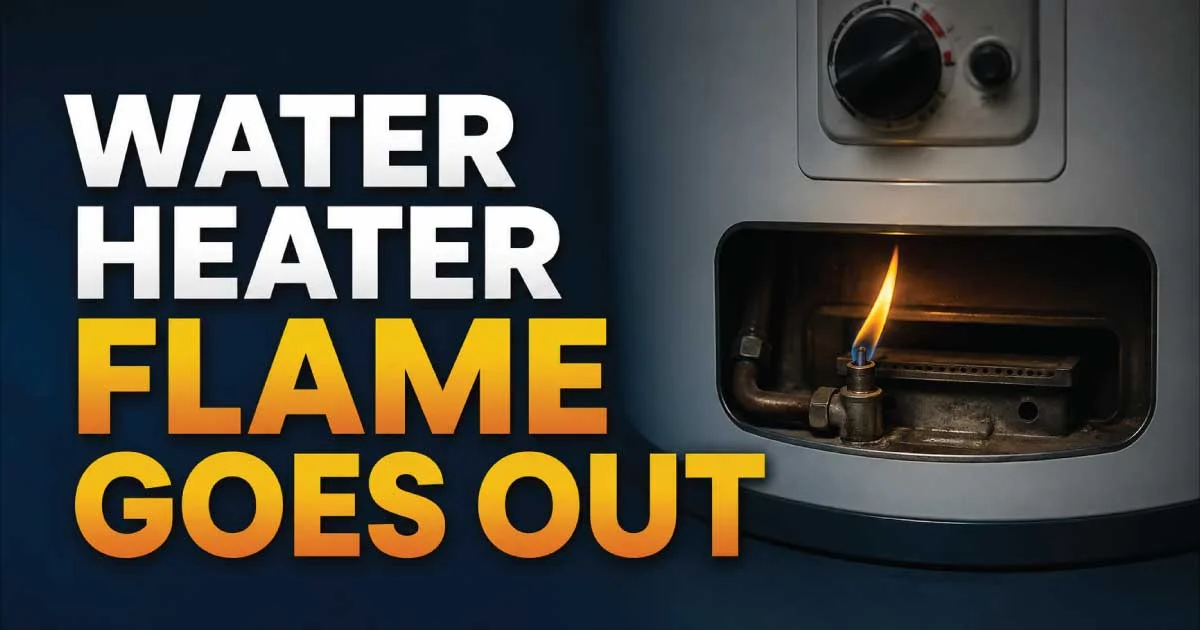
A water heater is one of those household appliances you don’t think about—until it stops working. One of the most common and frustrating issues homeowners face is when the water heater flame goes out unexpectedly. You may notice cold water during a shower, a pilot light that won’t stay lit, or an error code on the control panel. While this problem can feel urgent, it’s often caused by issues that are well understood and, in many cases, repairable.
In this blog post, we’ll explore why a water heater flame goes out, the most common causes behind it, how to troubleshoot safely, and when it’s time to call a professional. Whether you have a traditional gas water heater or a modern tankless system, understanding this issue can save you time, money, and unnecessary stress.
How a Gas Water Heater Flame Works
Before diving into problems, it helps to understand how the flame operates. In a gas water heater, the flame is responsible for heating the water in the tank or heat exchanger. Older models rely on a pilot light, a small flame that burns continuously and ignites the main burner when hot water is needed. Newer models often use electronic ignition systems instead of a standing pilot.
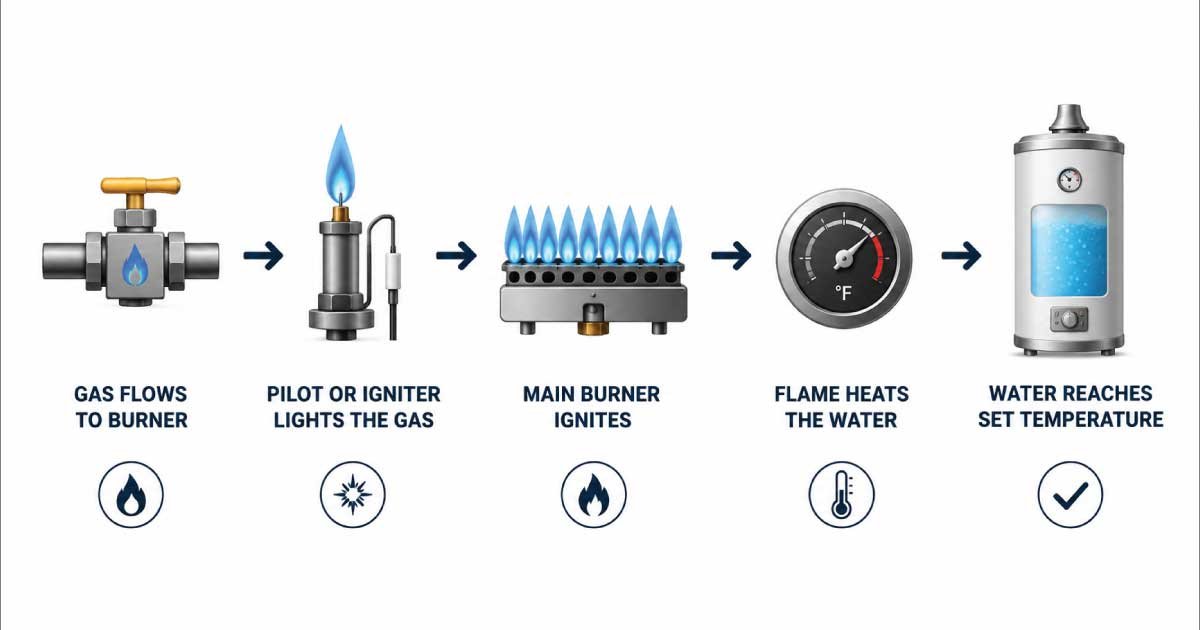
When everything is functioning correctly:
- Gas flows to the burner
- The pilot or igniter lights the gas
- The flame remains stable until the water reaches the set temperature
If any part of this process is disrupted, the flame may go out as a safety precaution.
Common Signs the Water Heater Flame Has Gone Out
When a gas water heater flame goes out, the system usually provides warning signs before complete failure. These symptoms are safety-related responses designed to prevent gas buildup, overheating, or damage to internal components. Recognizing these signs early helps homeowners address issues before they escalate into costly repairs.
Homeowners usually notice one or more of the following symptoms:
- Sudden lack of hot water
- Water turning lukewarm or cold quickly
- Pilot light won’t stay lit
- Repeated clicking from the igniter
- Error codes or warning lights on the control panel
- Unusual smells or sounds near the water heater
These signs indicate that the system is shutting down to protect against unsafe operating conditions.
Most Common Reasons a Water Heater Flame Goes Out
When a water heater flame goes out repeatedly, it’s usually a safety response to an underlying problem. Issues can range from simple maintenance concerns to gas supply or control failures. Understanding the most common causes helps you diagnose the issue early and decide whether repair or professional service is needed.
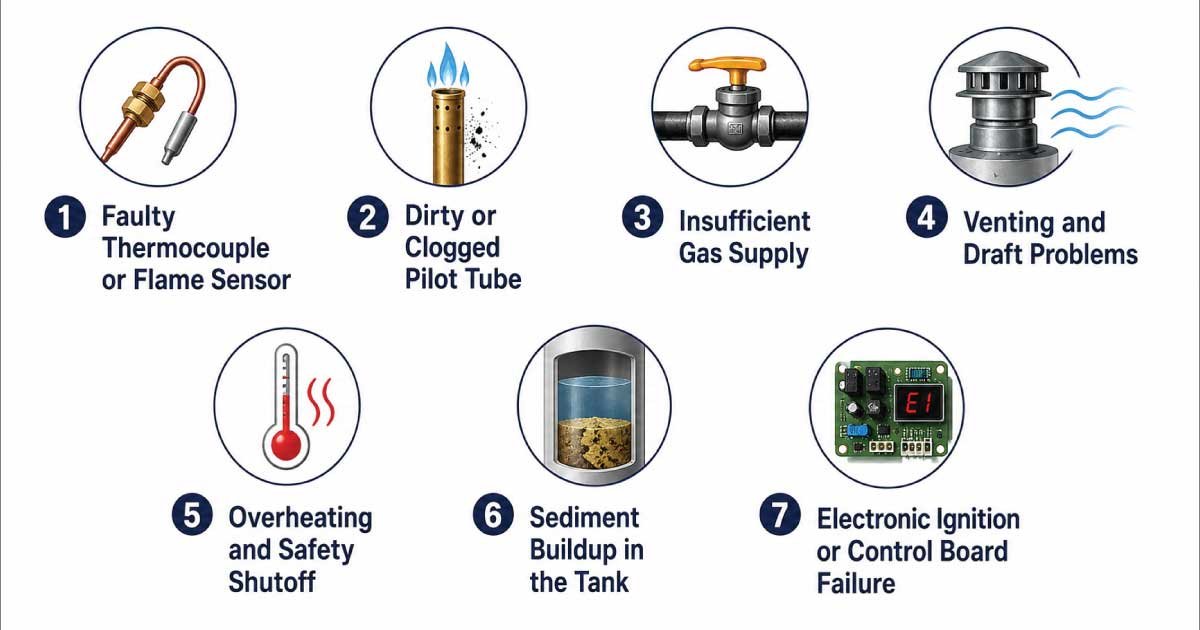
1. Faulty Thermocouple or Flame Sensor
The thermocouple (in older models) or flame sensor (in newer models) is one of the most frequent causes of flame failure. This safety device detects whether the pilot flame is burning. If it doesn’t sense heat, it shuts off the gas supply to prevent leaks.
Over time, the thermocouple can:
- Become dirty or corroded
- Shift out of position
- Wear out due to age
When this happens, the water heater may light briefly and then shut down again.
2. Dirty or Clogged Pilot Tube
A clean pilot tube ensures steady gas delivery to maintain a strong pilot flame. When dirt or debris restricts this narrow passage, the flame weakens and struggles to stay lit. As a result, safety systems shut down the heater to prevent incomplete combustion or gas buildup.
Dust, debris, or rust particles can clog the pilot tube, restricting gas flow. A weak pilot flame may not generate enough heat to keep the thermocouple engaged, causing the flame to go out shortly after ignition.
This issue is especially common in:
- Older homes
- Utility rooms with high dust levels
- Water heaters that haven’t been serviced regularly
3. Insufficient Gas Supply
A consistent gas supply is essential for maintaining a stable burner flame. Even minor interruptions or pressure fluctuations can prevent proper ignition or cause the flame to go out. Gas supply problems may originate from household components or external utility-related issues beyond the heater itself.
If the gas supply is interrupted or reduced, the flame may not stay lit.
Possible causes include:
- A partially closed gas shutoff valve
- Low gas pressure from the utility provider
- Issues with the gas line or regulator
- Other gas appliances drawing excessive demand
Even a small reduction in gas flow can cause the burner flame to extinguish.
4. Venting and Draft Problems
Water heaters rely on proper ventilation to safely expel combustion gases. When airflow is disrupted, sensors may detect unsafe conditions and shut down the flame automatically. Draft and venting issues are especially common in enclosed spaces or during seasonal weather changes.
Proper airflow is essential for safe combustion. If the water heater cannot vent exhaust gases properly, the flame may go out as a safety response.
Common venting issues include:
- Blocked or damaged vent pipes
- Birds’ nests or debris in the flue
- Negative air pressure in the room
- Strong downdrafts from wind or exhaust fans
Modern water heaters are designed to shut down if they detect unsafe venting conditions.
5. Overheating and Safety Shutoff
Water heaters include built-in temperature limits to prevent overheating and scalding hazards. When internal temperatures exceed safe thresholds, the system shuts down the flame automatically. This protective response often indicates an underlying control or maintenance issue that needs attention.
If the water temperature exceeds safe limits, the unit may shut off the flame to prevent damage or scalding.
Causes of overheating include:
- A malfunctioning thermostat
- Excessive sediment buildup in the tank
- Faulty control valves
Once the system cools down, it may relight—or it may require manual resetting.
6. Sediment Buildup in the Tank
Sediment accumulation is a gradual issue that significantly affects burner efficiency and heat transfer. As minerals settle inside the tank, they interfere with flame operation and temperature regulation. Left unaddressed, sediment can trigger frequent shutdowns and shorten the heater’s lifespan.
Over time, minerals in hard water settle at the bottom of the tank.
This sediment layer can:
- Insulate the water from the burner flame
- Cause overheating at the base of the tank
- Create popping or rumbling noises
- Lead to frequent flame shutdowns
Sediment buildup is a silent problem that worsens if the tank isn’t flushed annually.
7. Electronic Ignition or Control Board Failure
Modern water heaters rely on electronic systems to control ignition, flame sensing, and safety monitoring. When these components malfunction, the heater may fail to ignite or shut down unpredictably. Electrical failures are often harder to diagnose without professional tools or experience.
In water heaters without a standing pilot, electronic components control ignition and flame monitoring. If the control board, igniter, or wiring fails, the burner may not ignite or may shut off randomly.
These failures often show up as:
- Error codes
- Clicking sounds without ignition
- Intermittent operation
Electronic components are more complex and usually require professional diagnosis.
 Also Read
  Electric Water Heater Not Turning On: Causes & Fixes
Safe Troubleshooting Steps You Can Try
When a water heater flame goes out, some basic troubleshooting steps can be safely performed before calling a professional. These checks help identify simple issues such as gas supply interruptions or airflow problems. Always proceed cautiously, follow manufacturer instructions, and stop immediately if you detect unsafe conditions.
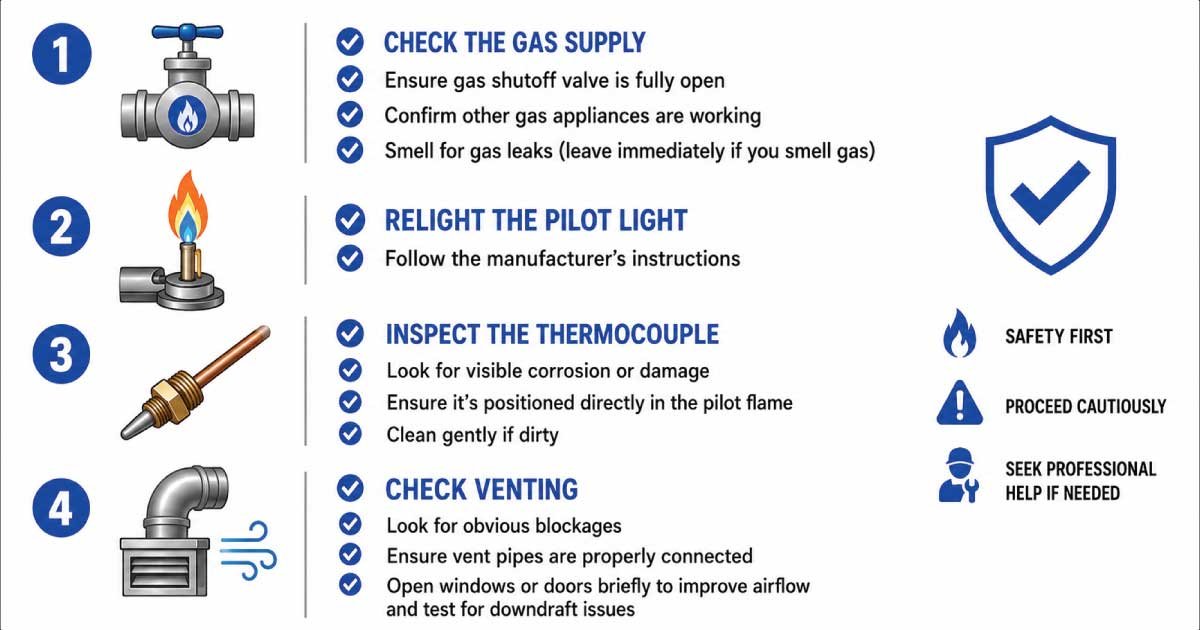
If your water heater flame goes out, you can try some basic checks before calling a technician. Always prioritize safety.
Step 1: Check the Gas Supply
- Ensure the gas shutoff valve is fully open
- Confirm other gas appliances are working
- Smell for gas leaks (leave immediately if you smell gas)
Step 2: Relight the Pilot Light
Follow the manufacturer’s instructions carefully. If the pilot won’t stay lit after multiple attempts, stop and move on to the next step.
Step 3: Inspect the Thermocouple
- Look for visible corrosion or damage
- Ensure it’s positioned directly in the pilot flame
- Clean gently if dirty
Step 4: Check Venting
- Look for obvious blockages
- Ensure vent pipes are properly connected
- Open windows or doors briefly to improve airflow and test for downdraft issues
If the flame continues to go out after these steps, it’s time to seek professional help.
When to Call a Professional
Some water heater flame problems go beyond basic troubleshooting and require professional expertise. Persistent shutdowns, safety warnings, or gas-related concerns can indicate serious underlying issues. Calling a licensed technician at the right time helps prevent hazards, costly damage, and improper repairs that could compromise system safety.
While some issues are minor, others require specialized tools and expertise.
You should call a licensed technician if:
- The pilot light repeatedly goes out
- You see error codes you don’t understand
- There’s evidence of gas leaks
- Venting or combustion air issues persist
- The unit is more than 10 years old and unreliable
Attempting advanced repairs without proper training can be dangerous and may void warranties.
Also Read Electric Water Heater Tripping Breaker: Complete Guide
Preventing Future Flame Problems
Preventing flame outages starts with consistent maintenance and early issue detection. Regular care keeps components clean, airflow unrestricted, and safety controls functioning properly. By addressing wear and buildup before failures occur, homeowners can reduce unexpected shutdowns, improve efficiency, and extend the overall lifespan of their water heater.
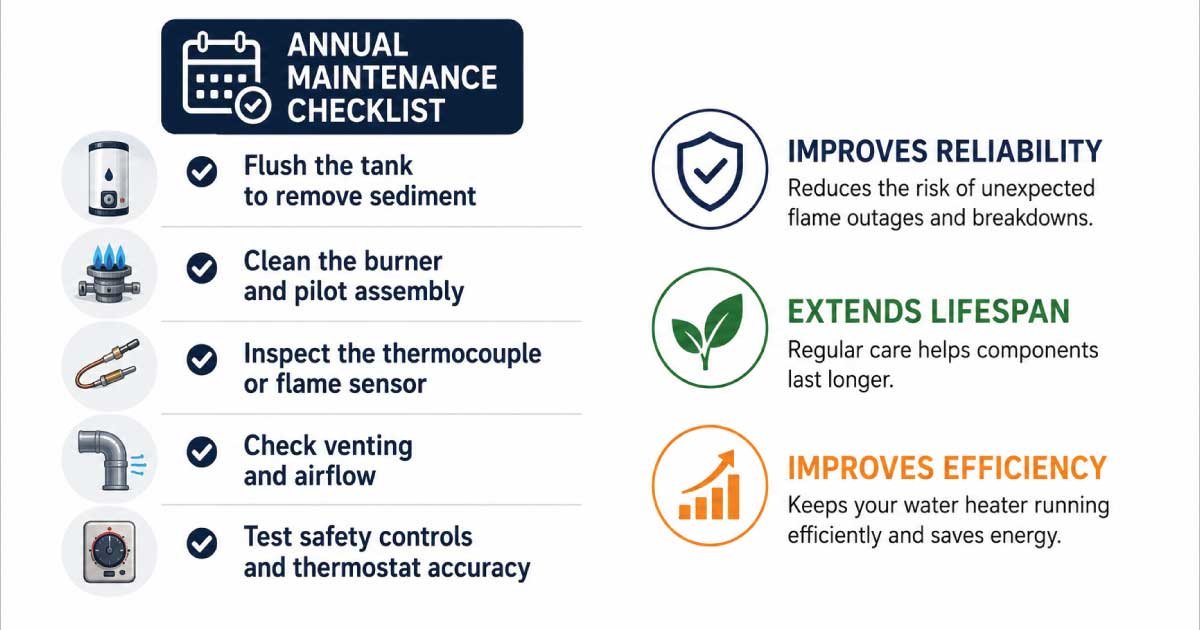
The best way to avoid flame outages is regular maintenance. Preventive care helps catch small issues before they become major failures.
Annual Maintenance Checklist
- Flush the tank to remove sediment
- Clean the burner and pilot assembly
- Inspect the thermocouple or flame sensor
- Check venting and airflow
- Test safety controls and thermostat accuracy
Routine servicing not only improves reliability but also extends the life of your water heater and improves energy efficiency.
Should You Repair or Replace the Water Heater?
When a water heater flame goes out repeatedly, deciding between repair and replacement becomes an important cost and safety consideration. While minor fixes may restore operation temporarily, ongoing ignition problems can signal age-related wear or declining efficiency that makes replacement the more practical long-term solution.
If your water heater flame goes out frequently, you may wonder whether it’s worth repairing.
Consider replacement if:
- The unit is over 10–12 years old
- Repairs are becoming frequent or expensive
- Efficiency is noticeably declining
- Parts are difficult to find
Newer water heaters are safer, more energy-efficient, and less prone to ignition issues.
Also Read Heating Element Failure Water Heater: Fast & Easy Fixes
Final Thoughts
When a water heater flame goes out, it’s often the system’s way of protecting your home from unsafe conditions. While the problem can be inconvenient, understanding the causes—from faulty thermocouples to venting problems—puts you in a better position to respond calmly and safely.
Some issues can be resolved with simple checks and maintenance, while others require professional attention. By addressing flame problems early and keeping up with routine service, you can ensure reliable hot water, improved safety, and peace of mind for years to come.
If your water heater continues to give you trouble, don’t ignore the warning signs. A small flame issue today can become a bigger, more costly problem tomorrow.