
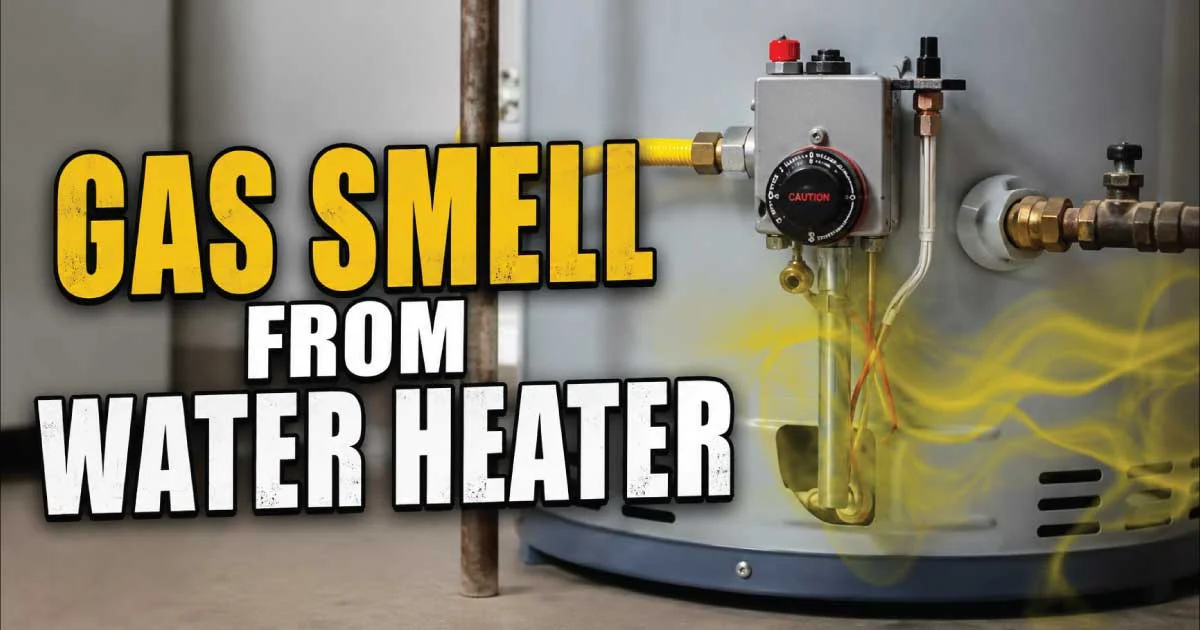
A gas smell coming from your water heater is never something to ignore. Whether it’s faint, strong, or comes and goes, the odor can signal anything from a minor issue to a serious safety hazard. Many homeowners notice the smell near the water heater closet, basement, garage, or utility room and are unsure whether it’s dangerous or normal.
This guide explains why a water heater may smell like gas, how serious the situation might be, what to do immediately, and when to call a professional. Understanding the causes can help you respond quickly and protect your home and family.
Why Gas Smells Are Dangerous
Gas odors indicate a potentially hazardous situation because leaking natural gas can ignite easily and spread rapidly through enclosed spaces. Utilities add mercaptan for early detection, but ignoring the smell increases risks to health, safety, and property, making prompt awareness and response essential for every household.
Natural gas is highly flammable. While it is odorless by itself, gas companies add a chemical called mercaptan, which gives off a sulfur or “rotten egg” smell. This makes leaks easier to detect.
A gas leak can lead to:
- Fire or explosion
- Carbon monoxide exposure
- Health symptoms such as headaches, dizziness, nausea, or breathing problems
- Property damage
If the smell is strong or overwhelming, treat it as an emergency and take immediate action.
Immediate Steps If You Smell Gas Near Your Water Heater
Smelling gas near your water heater signals a potentially dangerous situation that requires immediate attention. Acting quickly and correctly can reduce the risk of fire, explosion, or health issues. Always focus on safety first before attempting to locate or fix the source of the problem.
Before identifying the cause, safety comes first.
- Do not ignite anything
Avoid lighting matches, using lighters, turning on lights, or using electrical appliances. - Ventilate the area
Open doors and windows if it’s safe to do so. - Shut off the gas supply
If you know where the gas shutoff valve is and it’s safe, turn it off. - Leave the house
Get everyone, including pets, outside to fresh air. - Call your gas company or emergency services
Many gas companies offer free emergency inspections for leaks.
Once the immediate risk is addressed, you can begin identifying the source.
Common Causes of Gas Smell From a Water Heater
A gas smell coming from your water heater can stem from several mechanical, installation, or environmental issues. Some causes are minor but others are serious safety hazards. Understanding the most common reasons helps you recognize warning signs early and know when professional inspection is absolutely necessary.
1. Loose Gas Connections
Loose gas connections are one of the most frequent reasons homeowners notice gas odors near a water heater. Normal vibration, temperature expansion, or poor installation can gradually loosen fittings, allowing small but dangerous amounts of gas to escape over time.
One of the most common causes is a loose gas line or fitting connecting the water heater to the main gas supply. Over time, vibration, temperature changes, or improper installation can cause fittings to loosen slightly.
Even a small leak can produce a noticeable smell. This issue often requires tightening or replacing connectors and should be handled by a licensed professional.
2. Faulty Gas Control Valve
The gas control valve plays a critical role in regulating gas flow to the burner. When it becomes worn, damaged, or defective, gas may leak even when the water heater is not actively operating, creating a persistent and dangerous odor.
The gas control valve regulates how much gas flows to the burner. If it becomes damaged or worn out, gas may leak even when the heater is not actively heating water.
Signs of a faulty gas valve include:
- Gas smell when the unit is off
- Inconsistent water temperature
- Pilot light issues
A defective gas valve is not a DIY repair and usually requires replacement.
3. Pilot Light Problems
Older gas water heaters use a standing pilot light to ignite the burner. When the pilot light goes out unexpectedly, unburned gas can escape briefly, causing noticeable odors that should not persist for long periods.
Older gas water heaters rely on a standing pilot light. If the pilot light goes out, unburned gas may escape temporarily, causing a smell.
Possible reasons include:
- Drafts or wind
- Dirty pilot orifice
- Thermocouple failure
A brief smell after the pilot goes out may occur, but persistent gas odor is not normal and should be inspected.
4. Burner Assembly Issues
The burner assembly is responsible for mixing gas and air efficiently for combustion. When dirt, corrosion, or misalignment occurs, ignition can be delayed, allowing raw gas to escape before it burns properly.
The burner assembly mixes gas and air for combustion. Dirt, corrosion, or misalignment can prevent proper ignition, allowing gas to escape before burning.
This can cause:
- Gas smell during startup
- Delayed ignition
- Rumbling or popping sounds
Cleaning or replacing burner components is often necessary.
5. Recently Installed or Serviced Water Heater
A newly installed or recently serviced water heater may emit mild gas odors initially. However, these smells should fade quickly. Any ongoing odor may indicate installation errors or improper sealing that require immediate attention.
If the water heater was recently installed or serviced, a mild gas smell may occur due to:
- New pipe sealants
- Residual gas in the line
- Improperly sealed fittings
While a slight odor may dissipate quickly, any ongoing gas smell after installation is a red flag and should be rechecked immediately.
6. Gas Line Damage or Corrosion
Gas lines can deteriorate slowly over time due to age, moisture, or physical stress. Even small cracks or corrosion spots can release gas intermittently, making the smell appear and disappear unpredictably.
Over time, gas lines can corrode, crack, or become damaged due to:
- Moisture exposure
- Physical impact
- Age-related wear
Even tiny cracks can release gas slowly, leading to intermittent odors. This is especially common in older homes with original gas piping.
7. Improper Venting or Exhaust Issues
Not all gas-like odors come from leaks. Improper venting can cause combustion exhaust gases to linger near the water heater, producing smells that resemble gas and creating serious indoor air quality risks.
Sometimes the smell isn’t from a gas leak but from exhaust gases not venting properly. Combustion byproducts may linger near the water heater and smell similar to gas.
Poor venting can be caused by:
- Blocked or disconnected vent pipes
- Incorrect vent slope
- Nesting animals or debris
This condition can also lead to carbon monoxide buildup, which is extremely dangerous.
8. Sewer Gas Mistaken for Natural Gas
In some situations, the odor blamed on a gas leak is actually sewer gas. While it smells similar, sewer gas comes from plumbing issues and can still cause health concerns if left unresolved.
In some cases, what homeowners think is gas is actually sewer gas.
Sewer gas smells like rotten eggs and can come from:
- Dry floor drains
- Faulty plumbing vents
- Cracked drain pipes
While sewer gas is different from natural gas, it can still pose health risks and should not be ignored.
 Also Read
  Water Heater Ignition Failure: Proven Fixes That Work
When to Replace Instead of Repair
In some situations, repairing a gas water heater is no longer the safest or most cost-effective choice. As systems age and components fail, replacement can reduce safety risks, improve efficiency, and prevent repeated breakdowns that lead to higher long-term expenses and unexpected emergencies.
Replacement may be the better option if:
- The water heater is near the end of its lifespan
- Repairs are frequent or costly
- The gas valve or internal components are failing
- The unit no longer meets safety standards
Modern water heaters are often more energy-efficient and include enhanced safety features.
Final Thoughts
A gas smell from a water heater is never something to dismiss. While some causes may be minor, the potential consequences of ignoring the issue are severe. Acting quickly, prioritizing safety, and calling a qualified professional can prevent accidents, protect your property, and ensure peace of mind.
If you ever smell gas and feel unsure, remember this rule: it’s better to overreact than underreact. Your safety and your family’s safety are always worth it.
Also Read Water Heater Circuit Breaker Keeps Tripping: Expert Guide