
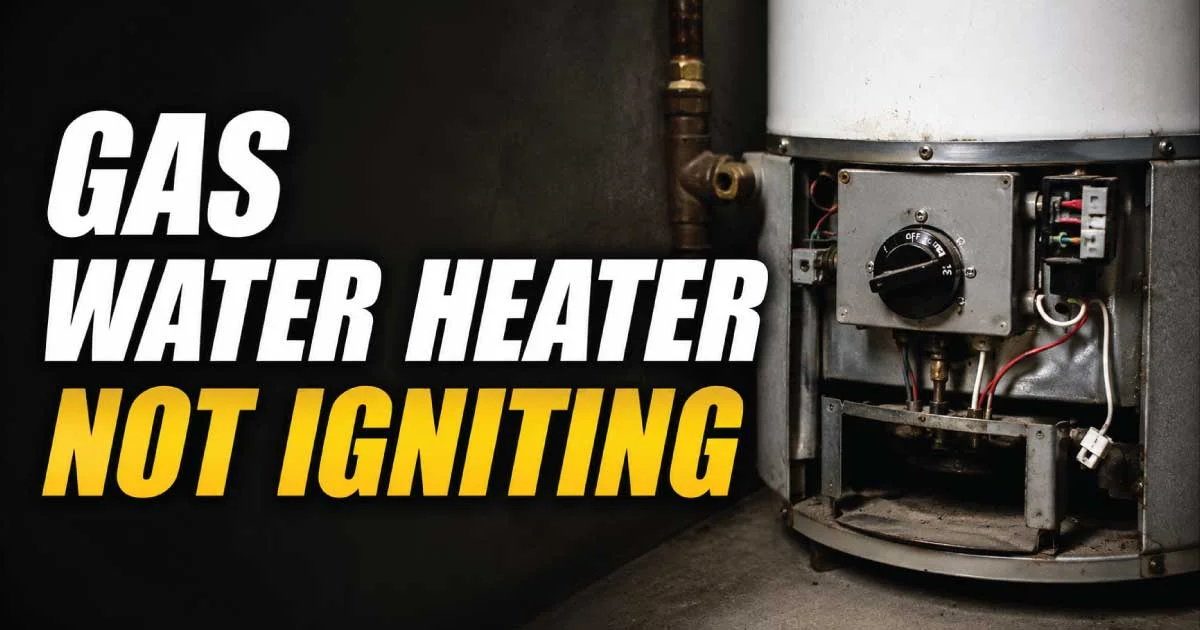
A gas water heater that won’t ignite can quickly disrupt daily life. Cold showers, difficulty washing dishes, and interrupted household routines are often the first signs something is not right. While the issue may seem alarming, many ignition problems stem from common, fixable causes. Understanding how gas water heaters ignite and what prevents them from doing so can help homeowners decide whether the problem is a simple fix or one that requires professional help.
This in-depth guide explains why a gas water heater may not ignite, how to troubleshoot safely, and what steps to take to restore hot water efficiently and safely.
How a Gas Water Heater Ignites
Before diving into problems, it’s helpful to understand how a gas water heater works. Gas water heaters rely on a coordinated sequence involving temperature sensing, gas flow, and ignition to safely heat water. When any part of this process is interrupted, the heater may fail to ignite or operate correctly.
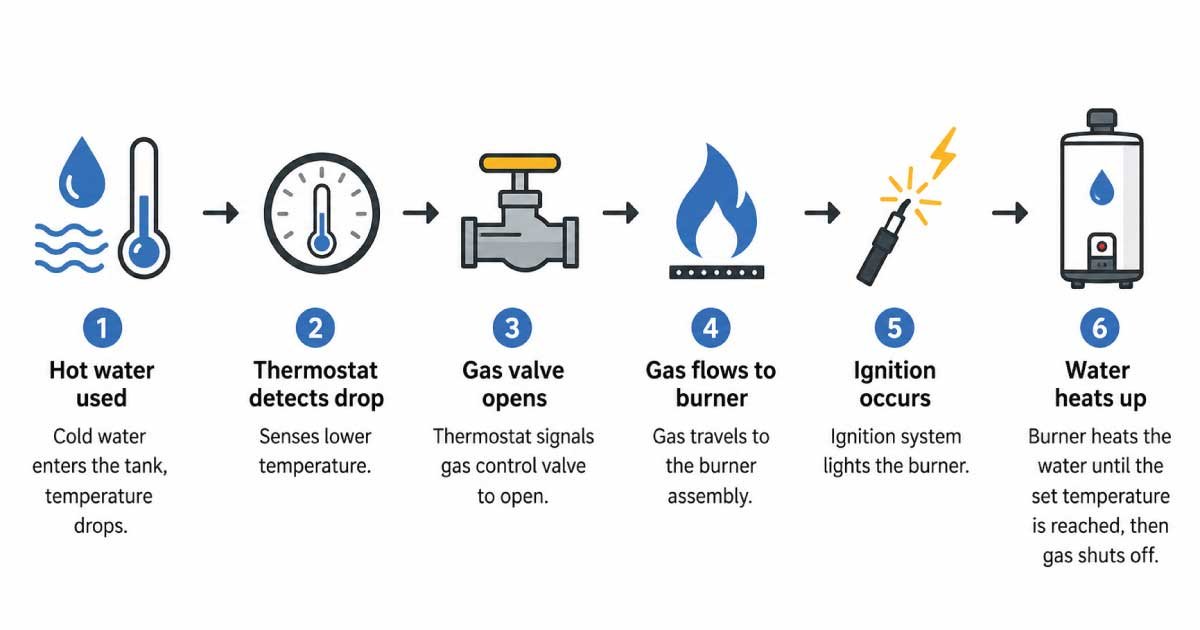
When hot water is used, cold water enters the tank, lowering the internal temperature. A thermostat detects this drop and signals the gas control valve to open. Gas flows to the burner assembly, where an ignition system lights the burner. Once ignited, the burner heats the water until the desired temperature is reached, at which point the gas shuts off.
If any component in this process fails, ignition will not occur.
Common Signs Your Gas Water Heater Is Not Igniting
When a gas water heater fails to ignite, it usually provides noticeable warning signs. These symptoms can appear suddenly or develop gradually over time, often indicating specific mechanical, electrical, or gas-supply issues. Recognizing these signs early can help prevent further damage or safety risks.
Homeowners often notice one or more of the following symptoms:
- No hot water at all
- Pilot light repeatedly going out
- Clicking sounds without ignition
- Error codes on the control panel (for newer units)
- A faint smell of gas with no flame
- Cold or lukewarm water even after waiting
Each symptom can point to a different underlying cause.
Most Common Reasons a Gas Water Heater Won’t Ignite
Gas water heaters can fail to ignite for several mechanical, safety, or supply-related reasons. While some issues are minor and easy to resolve, others involve critical components designed to prevent unsafe operation. Understanding the most common causes helps narrow down the problem more efficiently.
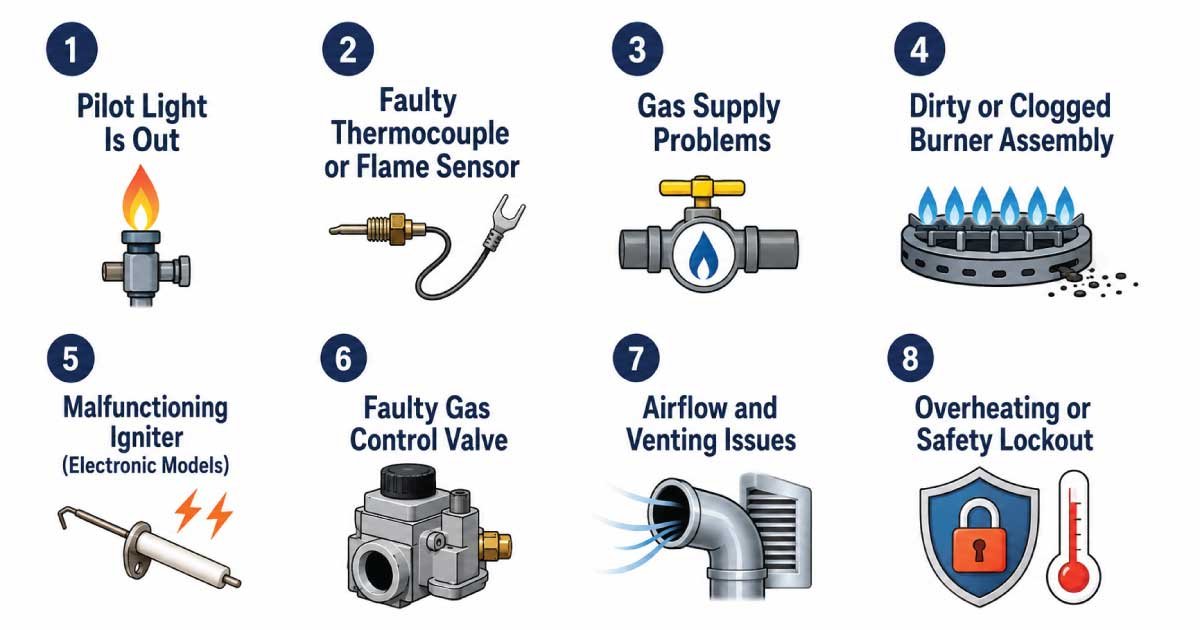
1. Pilot Light Is Out
One of the most frequent causes of ignition failure is a pilot light that has gone out. Older gas water heaters depend on a continuously burning pilot flame to ignite the main burner. If the pilot is extinguished, the burner cannot light, stopping hot water production entirely.
Possible reasons the pilot goes out:
- Drafts from open doors or vents
- Dirt or debris blocking the pilot orifice
- A failing thermocouple
- Interrupted gas supply
If the pilot will not stay lit after relighting, the issue likely goes beyond a simple restart.
2. Faulty Thermocouple or Flame Sensor
The thermocouple (or flame sensor in newer models) is a critical safety component that confirms a flame is present. If it fails to detect sufficient heat, it automatically shuts off the gas supply. This prevents unburned gas from escaping into the home.
Signs of thermocouple failure:
- Pilot lights but goes out immediately
- Burner never ignites
- Intermittent operation
A worn or dirty thermocouple cannot generate enough electrical current to keep the gas valve open.
3. Gas Supply Problems
Even when the heater itself is functioning properly, ignition cannot occur if gas is not reaching the unit. Gas supply problems may originate inside the home or from the utility provider and should be ruled out early in the troubleshooting process.
Common gas supply issues include:
- Gas shut-off valve partially or fully closed
- Gas line obstruction
- Low gas pressure
- Utility service interruption
Always confirm other gas appliances in the home are working. If none function, the problem may be external.
4. Dirty or Clogged Burner Assembly
Over time, dust, lint, and sediment can build up around the burner assembly. This buildup restricts proper gas flow and disrupts combustion, making ignition difficult or impossible. Homes with pets or dusty environments are especially prone to this issue.
Symptoms of burner issues:
- Delayed ignition
- Yellow or weak flames
- Popping or rumbling sounds
- No flame at all
Regular cleaning can prevent this problem.
5. Malfunctioning Igniter (Electronic Ignition Models)
Modern gas water heaters often use electronic or hot surface igniters instead of standing pilot lights. These components rely on electrical signals and precise timing. When the igniter fails, gas may flow without ignition or fail to release altogether.
Igniter problems may include:
- Worn or cracked igniter element
- Electrical connection failure
- Control board malfunction
If you hear clicking but see no flame, the igniter may be failing.
6. Faulty Gas Control Valve
The gas control valve is a central component that manages gas flow while coordinating with the thermostat and multiple safety devices. When this valve fails, it can prevent gas from reaching the burner even though other parts, such as the pilot light or igniter, appear to be functioning normally.
Warning signs:
- Error codes
- No gas flow despite a lit pilot
- Temperature inconsistencies
Gas control valves are not DIY-friendly and usually require replacement.
7. Airflow and Venting Issues
Proper airflow is essential for safe combustion in gas water heaters. If fresh air intake or exhaust venting is restricted, built-in safety mechanisms may shut the system down. These issues often develop gradually and may not be immediately obvious to homeowners.
Possible airflow problems:
- Blocked flue or vent pipe
- Birds’ nests or debris in exhaust vent
- Poor room ventilation
When airflow is restricted, the heater may shut down to prevent carbon monoxide buildup.
8. Overheating or Safety Lockout
Many modern gas water heaters are designed to enter a safety lockout mode when overheating occurs or ignition fails repeatedly. This feature protects the unit and household from damage or hazards, but it also signals that an underlying problem needs attention.
Causes include:
- Faulty thermostat
- Excessive sediment buildup
- Repeated failed ignition attempts
Resetting the unit may temporarily restore operation, but underlying issues must be addressed.
 Also Read
  Why Is My Water Heater Showing No Power Light?
Safe Troubleshooting Steps You Can Try
Before attempting any troubleshooting, safety must be the top priority. Gas appliances can pose serious risks if handled improperly. Only basic, non-invasive checks should be performed by homeowners. If you smell gas, hear hissing, or suspect a leak, leave the area immediately and contact your gas provider or a qualified professional.
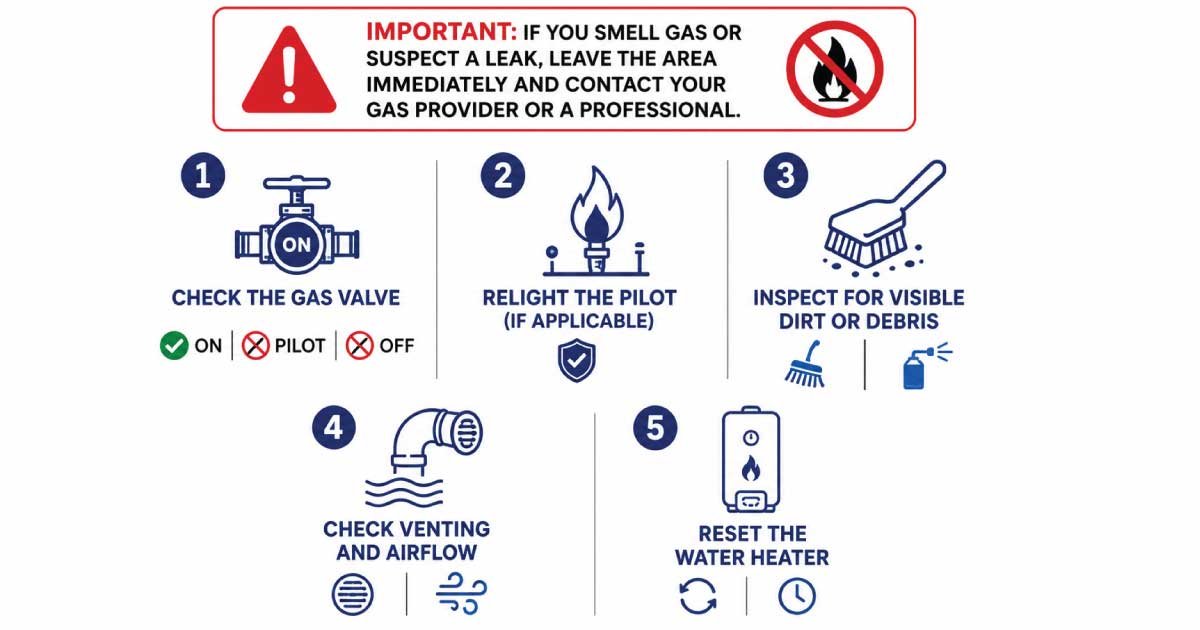
Important: If you smell gas or suspect a leak, leave the area immediately and contact your gas provider or a professional.
Step 1: Check the Gas Valve
Before performing deeper troubleshooting, it’s important to confirm that gas is actually allowed to reach the water heater. Valves may be turned off accidentally during maintenance or bumped out of position, preventing ignition even when the heater itself is functioning properly.
Ensure the gas control valve is set to “ON” and not “PILOT” or “OFF.” Confirm the manual shut-off valve on the gas line is open.
Step 2: Relight the Pilot (If Applicable)
Older gas water heaters rely on a standing pilot flame, which can go out due to drafts, dirt, or minor interruptions. Relighting the pilot is a common first fix, but it must be done carefully and exactly according to manufacturer guidelines to avoid safety issues.
Follow the manufacturer’s instructions exactly. Hold the pilot button long enough to heat the thermocouple.
If the pilot will not stay lit, stop and proceed to professional assistance.
Step 3: Inspect for Visible Dirt or Debris
Dust, lint, and debris can interfere with proper gas flow and combustion. A visual inspection can help identify obvious buildup around the burner area that may be preventing ignition, especially in utility rooms or laundry areas where debris accumulates easily.
Turn off power and gas before inspecting the burner area. Gently clean dust or lint using a soft brush or compressed air.
Step 4: Check Venting and Airflow
Gas water heaters depend on proper airflow to operate safely. Blocked or disconnected vents can trigger safety shutoffs or prevent ignition altogether. Ensuring adequate ventilation also helps protect against dangerous exhaust gas buildup inside the home.
Ensure vents are connected securely and free of obstructions. Confirm the heater has adequate clearance and ventilation.
Step 5: Reset the Water Heater
Some gas water heaters include built-in safety systems that shut the unit down after overheating or repeated ignition failures. Resetting the heater can clear temporary lockouts, but it should only be done after basic safety checks have been completed.
Some units have a reset button or require turning the gas control knob off and back on after a waiting period.
Also Read Is Your Electric Water Heater Overheating? Here’s Why
When to Call a Professional
While some ignition problems can be resolved with basic checks, many issues involve gas flow, electrical components, or built-in safety systems. These elements require proper training and tools to diagnose safely. Knowing when to stop troubleshooting helps prevent injury, property damage, or voided warranties.
- The pilot won’t stay lit
- You smell gas
- The igniter or gas valve is faulty
- Error codes persist
- The heater frequently shuts down
Attempting complex repairs without training can be dangerous and may void warranties.
Preventing Future Ignition Problems
Routine maintenance plays a major role in preventing ignition failures and extending the life of a gas water heater. Small issues often develop gradually, but regular inspections and cleaning help catch problems early before they lead to complete ignition failure or unsafe operating conditions.
Preventive tips include:
- Annual professional inspections
- Periodic burner and pilot cleaning
- Flushing sediment from the tank
- Keeping the area around the heater clean
- Checking vent pipes for obstructions
Preventive care improves efficiency, safety, and lifespan.
Repair vs. Replacement: What Makes Sense?
When ignition problems become frequent, it’s important to evaluate whether continued repairs are cost-effective. As gas water heaters age, components wear out and efficiency declines. At a certain point, replacing the unit may offer better reliability, safety, and long-term savings.
Consider replacement if:
- Repairs are frequent
- Energy efficiency is poor
- Parts are discontinued
- The tank shows corrosion or leaks
Newer models offer improved efficiency, advanced safety features, and more reliable ignition systems.
Also Read How Do You Fix Water Heater Electrical Wiring Problems?
Final Thoughts
A gas water heater not igniting can range from a simple pilot light issue to a serious gas control failure. Understanding the ignition process, recognizing warning signs, and performing basic troubleshooting can save time and stress. However, safety should always come first.
When in doubt, stop troubleshooting and consult a qualified technician. Proper diagnosis not only restores hot water but also protects your home from gas-related hazards.
With regular maintenance and prompt attention to ignition problems, your gas water heater can continue providing reliable hot water for years to come.