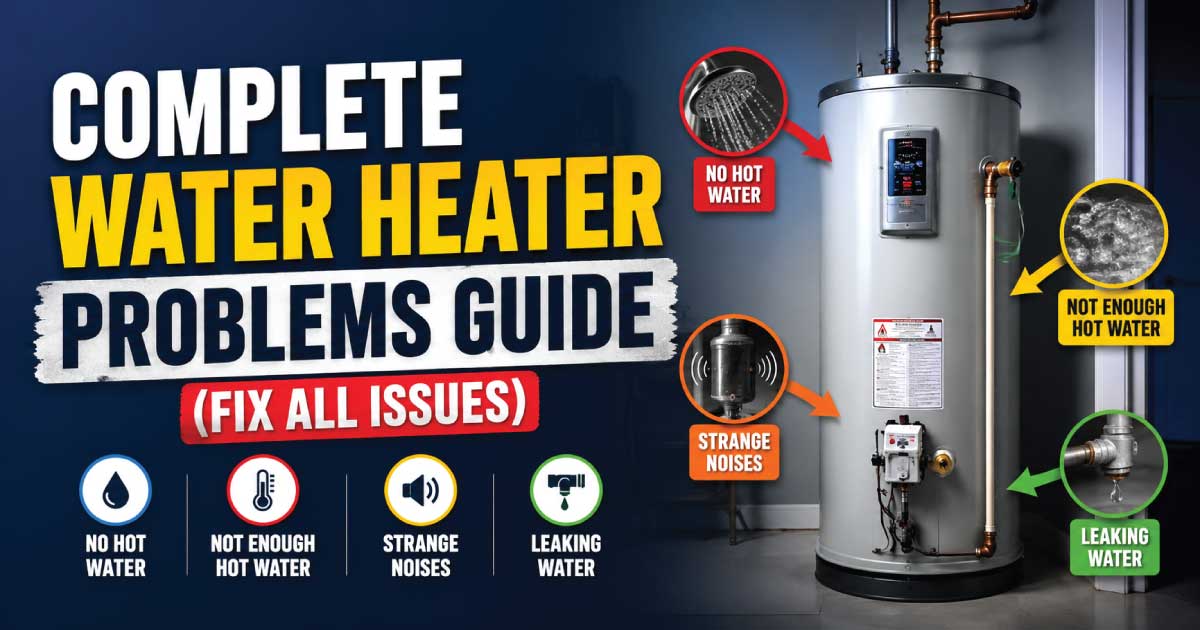
A water heater is one of those household appliances that most people never think about until something goes wrong. Whether you wake up to a cold shower, notice water pooling around the tank, or hear strange noises coming from the utility room, water heater problems can quickly disrupt your daily routine.
The good news is that many common water heater issues have straightforward causes and solutions. Understanding how your water heater works and learning basic troubleshooting steps can help you identify problems early, save money on repairs, and extend the life of your unit.
In this complete water heater problems guide, you will learn about the most common issues homeowners face, including no hot water, leaks, temperature fluctuations, strange noises, pilot light failures, electrical problems, and more. By the end of this guide, you will know how to diagnose water heater problems and decide whether a repair or replacement is the best option.
Understand How a Water Heater Works
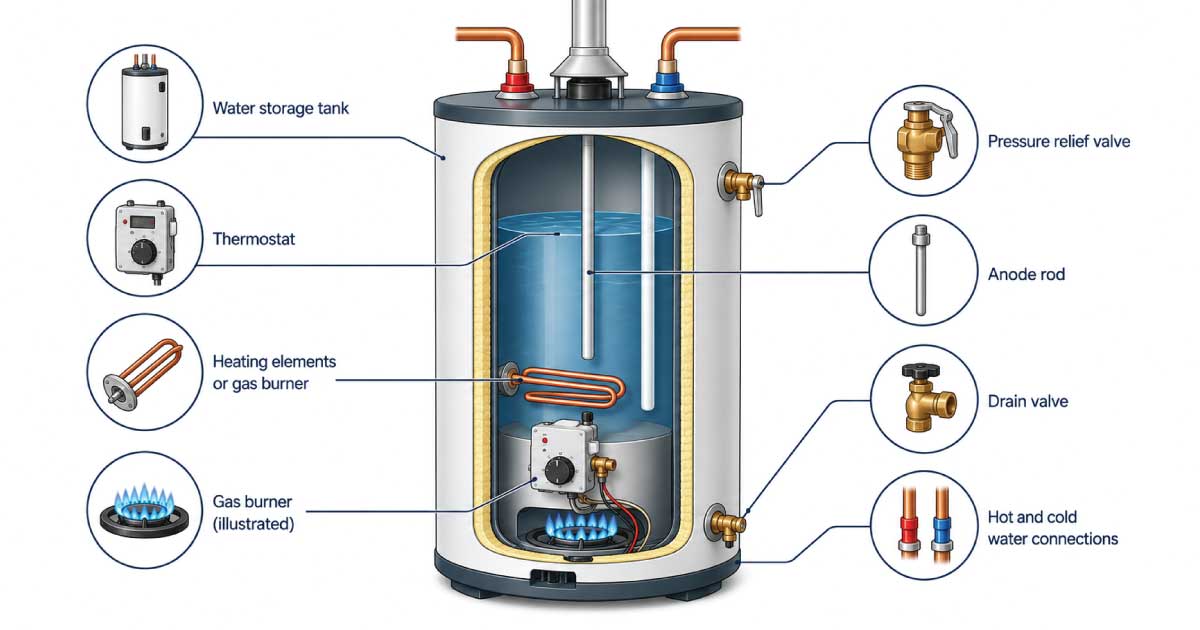
Before troubleshooting problems, it helps to understand the basic operation of a water heater. A traditional tank water heater stores and heats water inside an insulated tank. When hot water is used somewhere in the house, cold water enters the tank through the inlet pipe and is heated by either gas burners or electric heating elements.
Most water heaters contain:
- Water storage tank
- Thermostat
- Heating elements or gas burner
- Pressure relief valve
- Anode rod
- Drain valve
- Hot and cold water connections
When any of these components fail, water heater performance can suffer.
No Hot Water in the House
One of the most frustrating water heater problems is turning on a faucet and getting only cold water. This issue can result from electrical failures, gas supply interruptions, or malfunctioning heating components that prevent the water heater from operating correctly.
1. Common Causes
Several problems can completely stop a water heater from producing hot water. Identifying the cause is the first step toward restoring normal operation and preventing future interruptions.
Tripped Circuit Breaker
For electric water heaters, a tripped breaker can cut power to the heating elements. Without electricity, the unit cannot heat water and may require the breaker to be reset.
Failed Heating Element
Electric water heaters use upper and lower heating elements to warm water. If one or both elements fail, the heater may produce little or no hot water.
Faulty Thermostat
A defective thermostat may fail to signal the heating elements or burner to operate. This can prevent the water from reaching the desired temperature.
Pilot Light Issues
Gas water heaters rely on a pilot light to ignite the burner. If the pilot light goes out, the burner cannot operate and the water remains cold.
Gas Supply Problems
Gas valves, fuel supply interruptions, or burner malfunctions can stop a gas water heater from heating water. These issues should be inspected promptly for safety and performance reasons.
2. How to Fix It
Basic troubleshooting can often identify the source of the problem. Start with simple checks before considering more advanced repairs or professional assistance.
- Check the breaker panel.
- Verify power to the heater.
- Inspect thermostat settings.
- Relight the pilot light if necessary.
- Test heating elements.
3. When to Call a Professional
If these troubleshooting steps do not restore hot water, professional diagnosis may be required. A qualified technician can safely inspect electrical systems, gas components, and internal water heater parts to identify and repair the issue.
Water Heater Not Heating Water Properly
Sometimes a water heater produces warm water, but it never reaches the desired temperature. This issue can make daily activities such as showering, washing dishes, and laundry uncomfortable. The problem may develop gradually or appear suddenly due to component failure, maintenance issues, or excessive household hot water usage.
1. Possible Reasons
Several factors can prevent a water heater from heating water properly. A thermostat set too low may limit water temperature, while sediment buildup can reduce heating efficiency. In electric units, a partially failed heating element may struggle to heat the tank. Gas water heaters may experience burner inefficiency, and high household demand can quickly exhaust the available hot water supply.
- Thermostat set too low
- Sediment buildup
- Partial heating element failure
- Burner inefficiency
- High hot water demand
2. Recommended Temperature
Most manufacturers recommend setting a water heater to approximately 120°F (49°C). This temperature provides an ideal balance between safety, energy efficiency, and comfort. Keeping the temperature at this level helps reduce energy costs, minimizes the risk of burns, and ensures a consistent supply of hot water for everyday household activities.
3. Solutions
The appropriate solution depends on the specific cause of the heating problem. Begin by inspecting the thermostat setting and making small adjustments if necessary.
Hot Water Runs Out Too Fast
If your household frequently runs out of hot water, the problem may be more than just high usage. A water heater should provide a consistent supply of hot water for daily activities. When hot water disappears quickly, it often indicates maintenance issues, worn components, or a water heater that cannot keep up with the home’s demand.
1. Sediment Buildup
Over time, minerals such as calcium and magnesium settle at the bottom of the tank and form sediment. This buildup reduces the amount of space available for storing hot water and forces the heater to work harder. As a result, the water heater becomes less efficient and hot water may run out much faster than expected.
2. Broken Dip Tube
The dip tube is responsible for directing incoming cold water to the bottom of the tank, where it can be heated properly. If the dip tube becomes cracked, broken, or disconnected, cold water may mix with the hot water near the top of the tank. This causes the available hot water to cool down quickly during use.
3. Failed Lower Heating Element
In electric water heaters, the lower heating element performs most of the work in maintaining the tank’s hot water supply. When this element fails, the upper portion of the tank may still heat correctly, but the majority of the stored water remains cool. This significantly reduces the amount of usable hot water available.
4. Tank Too Small
A water heater must be properly sized to meet the needs of the household. If the tank is too small, it may not store enough hot water for multiple showers, laundry cycles, or dishwashing tasks. Larger families often experience frequent shortages when the water heater capacity is insufficient for daily demand.
5. Solutions
Several solutions can help restore your hot water supply and improve system performance. Regular maintenance removes sediment, while damaged internal components should be replaced promptly. In homes with growing hot water needs, upgrading the water heater may be the most effective long-term solution.
- Flush the tank annually.
- Replace damaged dip tubes.
- Upgrade tank size if necessary.
- Install a tankless water heater for high-demand households.
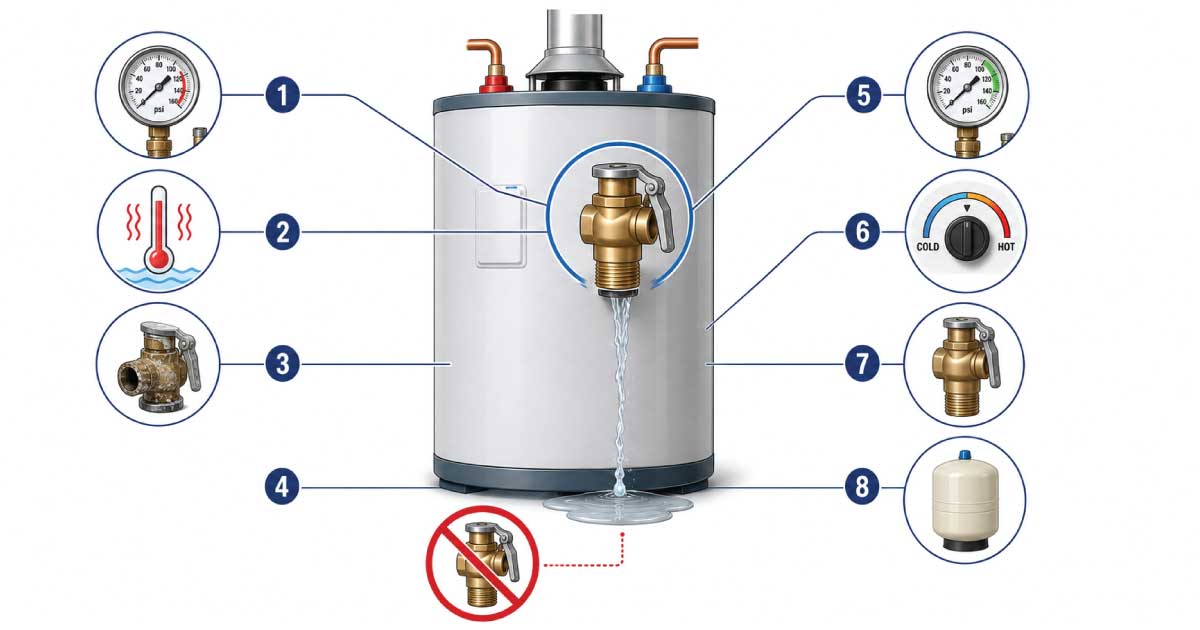
Water Heater Leaking from Bottom
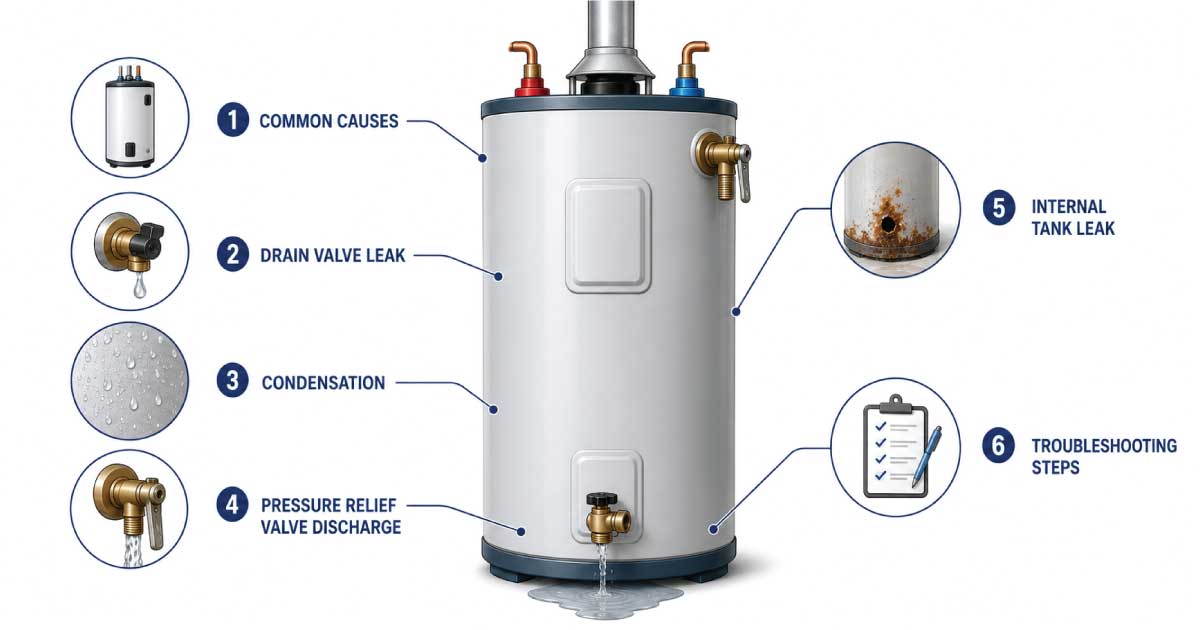
Discovering water around the base of a water heater can be concerning and should never be ignored. While some leaks are minor and easy to fix, others may indicate serious internal damage. Identifying the exact source of the leak is important because it helps determine whether a simple repair or a complete water heater replacement is required.
1. Common Causes
Several issues can cause water to collect around the bottom of a water heater. Some problems involve external components such as valves and fittings, while others originate from inside the tank itself. Understanding the most common causes can help you diagnose the issue more quickly and prevent further water damage.
2. Drain Valve Leak
The drain valve is located near the bottom of the tank and is used for maintenance and flushing. Over time, the valve can become loose, damaged, or worn out. Even a small crack or improper seal may allow water to drip continuously, creating the appearance of a larger leak.
3. Condensation
Not all water around a heater indicates a leak. In humid environments, condensation can form on the tank’s surface when cold water enters and meets warmer air. This moisture may drip onto the floor and resemble a leak, especially during periods of heavy hot water usage.
4. Pressure Relief Valve Discharge
The temperature and pressure relief (T&P) valve is a safety device designed to release water when pressure or temperature inside the tank becomes too high. If this valve discharges water frequently, it may signal excessive pressure, overheating, or a faulty relief valve that requires inspection.
5. Internal Tank Leak
An internal tank leak is one of the most serious water heater problems. Over time, corrosion can weaken the tank walls and create small holes that allow water to escape. Because the tank itself cannot usually be repaired, a leaking internal tank often means the entire water heater must be replaced.
6. Troubleshooting Steps
Before assuming the worst, perform a careful inspection to locate the source of the water. Cleaning and monitoring the area can help determine whether the problem is caused by a simple valve issue, condensation, or a failing tank. Early detection can prevent costly water damage and extend the life of the system.
- Dry the area completely.
- Monitor where water reappears.
- Inspect fittings and valves.
- Check for rust and corrosion.
Water Heater Making Noise
Unusual noises coming from a water heater are often a sign that maintenance or repairs may be needed. While some sounds are harmless, others can indicate sediment buildup, pressure issues, or worn components. Identifying the type of noise can help diagnose the problem early and prevent more serious damage to the water heater system.
1. Popping Sounds
Popping noises are one of the most common water heater complaints. These sounds usually occur when sediment accumulates at the bottom of the tank and traps water beneath it. As the water heats up, steam bubbles force their way through the sediment layer, creating popping or crackling sounds during operation.
2. Rumbling Noises
A rumbling sound often develops when large amounts of mineral deposits collect inside the tank. As the heating element or burner works to heat the water, the sediment shifts and vibrates, producing a low rumbling noise. This buildup can reduce efficiency and increase energy consumption over time.
3. Hissing Sounds
Hissing noises may indicate that water is coming into contact with extremely hot surfaces inside the tank. In some cases, the sound is caused by steam escaping from overheated areas or minor leaks dripping onto hot components. Persistent hissing should be inspected to rule out overheating issues.
4. Banging and Knocking
Banging, knocking, or hammering sounds are often related to plumbing rather than the water heater itself. Expanding pipes, sudden water flow changes, or a condition known as water hammer can create loud impacts within the plumbing system. These noises may become more noticeable during heating cycles or when faucets are turned off quickly.
5. How to Fix Noise Problems
Most water heater noises can be reduced through regular maintenance and inspection. Cleaning the tank, checking plumbing connections, and ensuring proper operating pressure can help eliminate unwanted sounds and improve system performance. Addressing the issue early can also extend the lifespan of the water heater.
- Flush the tank thoroughly.
- Check pipe supports.
- Inspect pressure levels.
- Replace aging components when needed.
Electric Water Heater Problems
Electric water heaters are reliable and energy-efficient, but they can develop specific issues that differ from gas-powered models. Most problems involve heating elements, thermostats, electrical connections, or safety controls. Understanding these common faults can help homeowners identify problems quickly and determine whether a repair or component replacement is necessary.
1. Heating Element Failure
Heating elements are responsible for warming the water inside the tank. Over time, these components can wear out due to mineral buildup, age, or continuous use. When a heating element fails, the water heater may struggle to produce enough hot water or stop heating altogether, reducing overall system performance.
Symptoms Include:
- No hot water
- Limited hot water
- Slow recovery
Heating elements eventually burn out and require replacement to restore proper operation. Testing the elements with a multimeter can help confirm whether they are functioning correctly before replacement.
2. Thermostat Problems
The thermostat controls the temperature of the water inside the tank. If it becomes faulty, it may send incorrect signals to the heating elements, resulting in poor temperature regulation. A malfunctioning thermostat can make the water heater inefficient, uncomfortable to use, and potentially unsafe if overheating occurs.
Common Signs Include:
- Overheating
- Lukewarm water
- Inconsistent temperatures
Replacing a defective thermostat is often a straightforward repair that can restore normal water temperature control.
3. Breaker Keeps Tripping
A circuit breaker is designed to protect the electrical system from overloads and faults. If the breaker connected to the water heater trips repeatedly, it usually indicates an electrical problem that should be inspected promptly. Ignoring repeated breaker trips can lead to further damage and potential safety hazards.
Potential Causes Include:
- Short circuits
- Ground faults
- Damaged wiring
- Defective elements
A qualified technician may be needed to diagnose electrical faults safely and accurately.
4. Reset Button Keeps Popping
The reset button, also known as the high-limit switch, is a safety feature that shuts off power when the water heater becomes excessively hot. If the button frequently trips, it often indicates an underlying problem such as overheating, a faulty thermostat, or a malfunctioning heating element. Repeated resetting should not be treated as a permanent solution because the root cause must be identified and repaired to ensure safe operation.
Gas Water Heater Problems
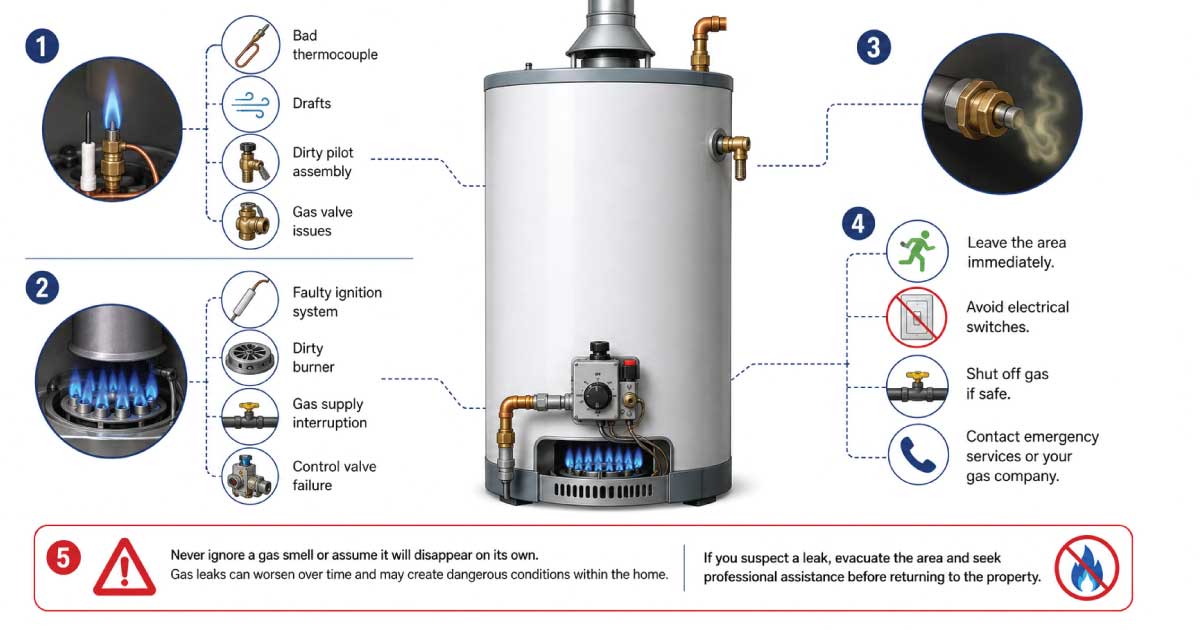
Gas water heaters contain several components that are not found in electric models, including pilot lights, burners, gas valves, and ignition systems. While these systems are generally reliable, failures can affect performance, safety, and efficiency. Understanding common gas water heater problems can help homeowners recognize warning signs and take appropriate action.
1. Pilot Light Keeps Going Out
The pilot light is responsible for igniting the burner and maintaining normal water heater operation. If it repeatedly goes out, the water heater may stop producing hot water altogether. Several factors can interfere with the pilot flame and prevent it from staying lit consistently.
Common Causes Include:
- Bad thermocouple
- Drafts
- Dirty pilot assembly
- Gas valve issues
A thorough inspection of the pilot system can help identify the exact cause and restore reliable operation.
2. Burner Won’t Ignite
When the burner fails to ignite, the water heater cannot heat the water inside the tank. This issue may occur due to ignition failures, fuel supply problems, or burner contamination. Prompt troubleshooting is important because prolonged burner issues can leave the household without hot water.
Potential Problems Include:
- Faulty ignition system
- Dirty burner
- Gas supply interruption
- Control valve failure
Cleaning the burner and verifying gas supply are often the first steps in diagnosing this problem.
3. Gas Smell Near Water Heater
A gas odor near a water heater should always be treated as a serious safety concern. Natural gas leaks can create fire, explosion, and health hazards if left unaddressed. Even a faint smell may indicate a leak in the gas line, valve, or appliance connection and requires immediate attention.
4. Safety Steps
If you detect the smell of gas around a water heater, prioritize safety above all else. Do not attempt extensive troubleshooting until the area has been assessed by qualified professionals. Following proper emergency procedures can help protect both people and property.
- Leave the area immediately.
- Avoid electrical switches.
- Shut off gas if safe.
- Contact emergency services or your gas company.
5. Important Safety Reminder
Never ignore a gas smell or assume it will disappear on its own. Gas leaks can worsen over time and may create dangerous conditions within the home. If you suspect a leak, evacuate the area and seek professional assistance before returning to the property.
Water Temperature Fluctuations
Unexpected changes in water temperature can be frustrating, especially during showers, dishwashing, or other daily activities. Water that suddenly becomes too hot or too cold often indicates an issue with the water heater, plumbing system, or household demand. Identifying the root cause can help restore consistent water temperatures and improve overall comfort.
1. Thermostat Issues
The thermostat controls when the water heater turns on and off to maintain the desired temperature. If the thermostat becomes faulty or inaccurate, it may cause irregular heating cycles. This can result in water temperatures that fluctuate unexpectedly, making it difficult to maintain a steady supply of hot water.
2. Sediment Buildup
Over time, minerals naturally present in water can settle at the bottom of the tank and form sediment. This buildup acts as an insulating layer between the heating source and the water, reducing heating efficiency. As a result, water temperatures may become inconsistent and recovery times may increase.
3. Plumbing Crossovers
A plumbing crossover occurs when hot and cold water mix somewhere within the plumbing system. This can happen because of faulty mixing valves, defective fixtures, or improper plumbing connections. When crossovers occur, water temperature may change unexpectedly even when the water heater is functioning normally.
4. High Demand
Running multiple hot water appliances at the same time can place a heavy load on the water heater. Showers, washing machines, dishwashers, and other fixtures competing for hot water may reduce the available supply, causing noticeable temperature fluctuations throughout the home.
5. Solutions
Resolving water temperature fluctuations usually involves inspecting both the water heater and the plumbing system. Regular maintenance and proper system sizing can help ensure a more reliable and consistent hot water supply for everyday household needs.
- Check thermostat performance.
- Flush sediment.
- Inspect plumbing systems.
- Consider upgrading capacity.
Water Heater Overheating
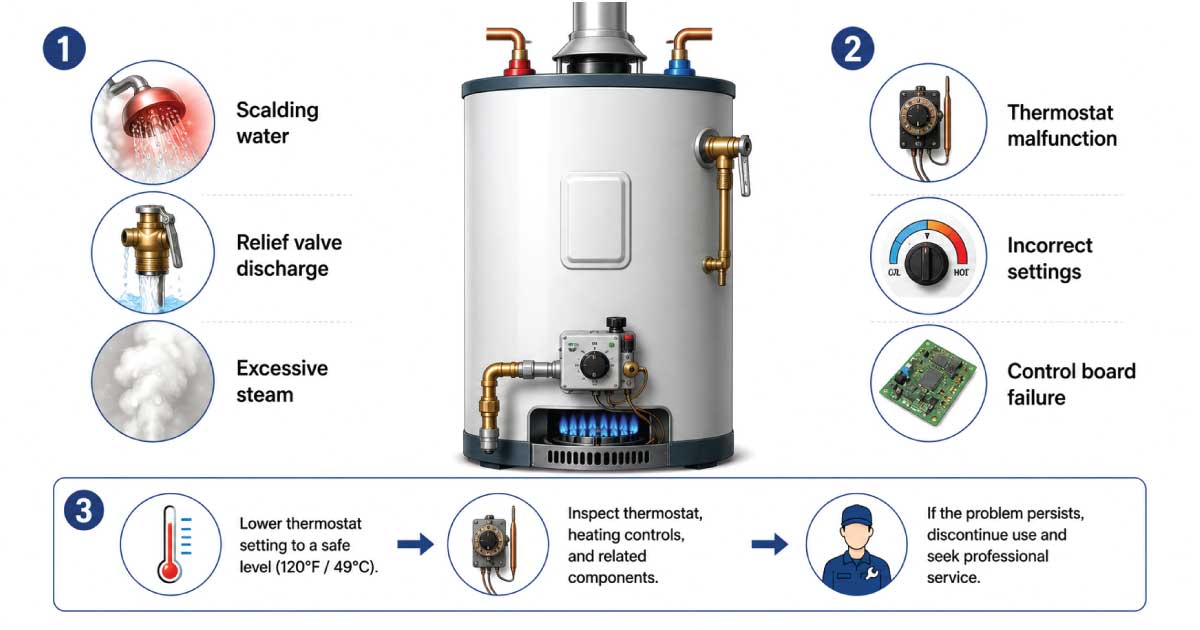
A water heater that produces excessively hot water is a serious safety concern. Overheating can increase energy consumption, damage internal components, and create a risk of burns or scalding. If left unresolved, excessive temperatures may also cause pressure buildup inside the tank, leading to additional safety issues and potential system failure.
1. Symptoms
Several warning signs can indicate that a water heater is overheating. These symptoms should be addressed promptly to prevent damage to the unit and reduce the risk of injury. Recognizing the signs early can help avoid costly repairs and unsafe operating conditions.
- Scalding water
- Relief valve discharge
- Excessive steam
2. Causes
Overheating usually occurs when the water heater’s temperature controls fail to regulate heat properly. Faulty components or incorrect settings can cause the water temperature to rise beyond safe limits. Identifying the exact cause is essential before attempting repairs or replacing parts.
- Thermostat malfunction
- Incorrect settings
- Control board failure
3. Recommended Action
If a water heater is overheating, immediate action is necessary to protect both the system and household occupants. Begin by lowering the thermostat setting to a safe level, typically around 120°F (49°C). Next, inspect the thermostat, heating controls, and related components for signs of malfunction. If the problem persists, discontinue use of the water heater and seek professional service to prevent further safety risks.
Rusty or Dirty Hot Water
Brown, reddish, or dirty-looking hot water is usually a sign of corrosion or sediment within the water heating system. While the issue may occasionally originate from household plumbing, it often indicates that components inside the water heater are beginning to wear out. Prompt investigation can help prevent further damage and maintain water quality.
1. Common Causes
Discolored hot water can result from several different issues, ranging from a worn protective component to serious tank deterioration. Determining whether the discoloration appears only in hot water or in both hot and cold water can help identify the source of the problem more accurately.
2. Worn Anode Rod
The anode rod is a sacrificial metal rod installed inside the water heater tank to prevent corrosion. Over time, it gradually deteriorates as it attracts corrosive elements in the water. Once the rod becomes heavily worn, the tank loses an important layer of protection, increasing the risk of rust formation.
3. Internal Tank Corrosion
If corrosion develops inside the tank itself, rust particles may enter the hot water supply and cause discoloration. Advanced internal rust often indicates that the tank is nearing the end of its service life. In many cases, significant tank corrosion eventually leads to leaks and may require complete water heater replacement.
4. Old Plumbing
Discolored water is not always caused by the water heater. Older galvanized steel pipes and corroded plumbing systems can release rust particles into the water supply. If rusty water appears from both hot and cold faucets, the plumbing system may be the primary source of the problem.
5. Solutions
Addressing rusty or dirty hot water involves inspecting the water heater and plumbing system for signs of corrosion. Regular maintenance can often resolve minor issues, while severe corrosion may require replacement of damaged components or aging equipment.
- Replace the anode rod.
- Flush the tank.
- Inspect plumbing systems.
Water Heater Smells Bad
Unpleasant odors coming from hot water can make everyday activities such as showering, cooking, and cleaning uncomfortable. In many cases, foul-smelling water is caused by bacteria reacting with minerals naturally present inside the water heater tank. While the issue is usually not dangerous, it should be addressed promptly to improve water quality and prevent recurring odors.
1. Sulfur Smell
A sulfur or rotten egg odor is one of the most common water heater smell problems. This smell is often caused by sulfur-reducing bacteria interacting with the anode rod inside the tank. The reaction produces hydrogen sulfide gas, which creates the characteristic rotten egg odor when hot water is used. Homes with well water are particularly susceptible to this issue.
2. Solutions
Eliminating unpleasant water heater odors typically requires cleaning and disinfecting the system. Regular maintenance can remove bacteria, mineral deposits, and other contaminants that contribute to foul smells. In some cases, replacing specific components may be necessary to prevent the problem from returning.
- Flush the tank.
- Replace the anode rod.
- Sanitize the system.
- Increase water temperature temporarily.
Low Hot Water Pressure
Low hot water pressure can make showers, dishwashing, and other household tasks inconvenient and time-consuming. If cold water pressure remains normal while hot water pressure is weak, the problem is often related to the water heater, plumbing system, or flow restrictions within the pipes. Identifying the cause can help restore proper water flow and improve overall system performance.
1. Causes
Several issues can restrict the flow of hot water throughout a home. Over time, mineral deposits, sediment, and aging plumbing components can reduce water movement and lower pressure. A thorough inspection of the water heater and plumbing system is often necessary to determine the exact source of the problem.
- Sediment buildup
- Mineral deposits
- Pipe corrosion
- Partially closed valves
2. Fixes
Resolving low hot water pressure usually involves removing blockages, cleaning affected components, and repairing damaged plumbing. Regular maintenance can help prevent future pressure issues and ensure a steady supply of hot water throughout the home.
- Clean aerators.
- Flush the tank.
- Inspect supply lines.
- Replace damaged piping.
Water Heater Keeps Turning Off
A water heater that repeatedly shuts down can disrupt your hot water supply and may indicate an underlying safety or mechanical issue. Modern water heaters include protective systems designed to turn the unit off when unsafe conditions are detected. Identifying the reason for these unexpected shutdowns is essential for restoring reliable operation and preventing further damage.
1. Common Causes
Several components can cause a water heater to shut down unexpectedly. Some issues are related to overheating and safety controls, while others involve electrical faults, ventilation problems, or malfunctioning sensors. A careful inspection can help determine which component is responsible for the repeated shutdowns.
- Overheating
- Faulty thermostat
- Ventilation problems
- Control board failure
- Flame sensor issues
2. Troubleshooting
The first step in diagnosing this problem is to observe exactly when the shutdown occurs. Determine whether it happens during heating cycles, after extended operation, or randomly throughout the day. Inspect related components such as thermostats, sensors, vents, wiring, and control boards for signs of wear, damage, or malfunction. Addressing the root cause promptly can help restore consistent operation and prevent recurring shutdowns.
Short Cycling Problems
Short cycling occurs when a water heater repeatedly turns on and off within short periods. This frequent cycling prevents efficient operation, increases wear on components, raises energy costs, and may eventually lead to premature system failure if left unresolved.
1. Effects
Short cycling places unnecessary stress on the water heater and reduces overall efficiency. Over time, the constant starting and stopping can damage components and negatively affect performance.
- Increased energy consumption
- Reduced lifespan
- Poor performance
2. Causes
Several issues can trigger short cycling, including faulty controls, internal buildup, or incorrect system sizing. Identifying the root cause is important for preventing further damage.
- Thermostat issues
- Sediment buildup
- Improper sizing
- Electrical faults
Water Heater Error Codes
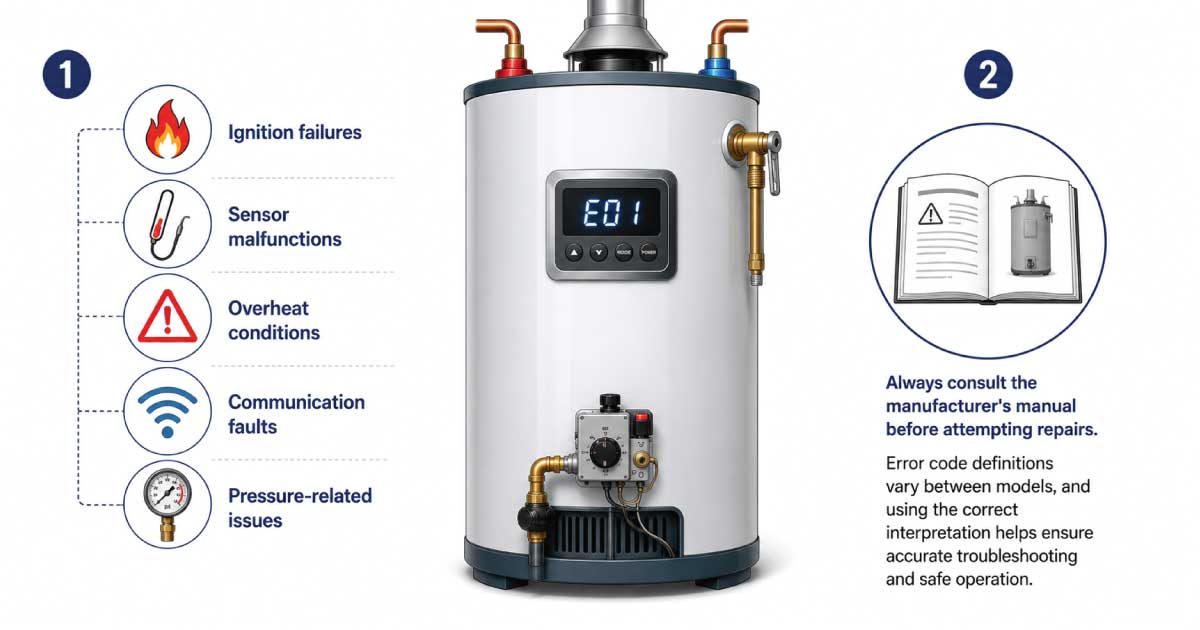
Modern water heaters use diagnostic systems that display error codes when problems occur. These codes help identify specific faults, making troubleshooting easier and reducing the time required to diagnose and repair system issues.
1. Common Error Categories
Error codes typically point to problems involving ignition, sensors, pressure, or communication systems. The exact meaning varies depending on the manufacturer and model.
- Ignition failures
- Sensor malfunctions
- Overheat conditions
- Communication faults
- Pressure-related issues
2. Important Note
Always consult the manufacturer’s manual before attempting repairs. Error code definitions vary between models, and using the correct interpretation helps ensure accurate troubleshooting and safe operation.
Sediment Buildup: The Silent Water Heater Killer
Sediment buildup is one of the most common water heater problems. Minerals from hard water gradually settle at the bottom of the tank, reducing efficiency and forcing the heater to work harder. If ignored, sediment can shorten the lifespan of the entire system.
1. Signs of Sediment Problems
As sediment accumulates, several warning signs may begin to appear. Recognizing these symptoms early can help prevent costly repairs and maintain efficient water heater performance.
- Noise
- Reduced efficiency
- Slow heating
- Higher utility bills
- Reduced hot water capacity
2. Prevention
Regular maintenance is the most effective way to prevent sediment-related problems. Annual tank flushing removes accumulated minerals, improves heating efficiency, extends equipment life, and helps ensure a reliable supply of hot water throughout the year.
Water Heater Maintenance Tips
Regular maintenance helps prevent many common water heater problems and keeps the system operating efficiently. Simple inspections and routine servicing can improve performance, reduce energy costs, and extend the lifespan of the unit while minimizing the risk of unexpected breakdowns.
1. Annual Maintenance Checklist
Performing these maintenance tasks at least once a year helps keep your water heater in good condition and allows you to identify potential issues before they become costly repairs.
- Flush the tank
- Test the pressure relief valve
- Inspect for leaks
- Check thermostat settings
- Examine the anode rod
- Inspect electrical connections
- Clean burner assemblies
2. Benefits of Regular Maintenance
Proper maintenance can add years to the life of your water heater. It improves efficiency, reduces wear on components, lowers utility bills, and helps ensure a reliable supply of hot water throughout the year.
Repair vs Replacement
Eventually, every homeowner faces the decision of whether to repair a failing water heater or invest in a replacement. The best choice depends on the unit’s age, condition, repair costs, and overall reliability.
1. Repair Is Usually Worth It When
Repairs are often the most cost-effective option when the water heater is relatively new and the problem is limited to replaceable components rather than the tank itself.
- The unit is less than 8 years old.
- Repairs are minor.
- The tank is in good condition.
2. Replacement Is Usually Better When
Replacing the water heater is often the smarter long-term investment when major structural problems exist or repair costs continue to increase.
- The tank leaks.
- Severe corrosion exists.
- The unit is over 10–15 years old.
- Multiple expensive repairs are needed.
Common Water Heater Problems at a Glance
| Problem | Likely Cause |
|---|---|
| No hot water | Power, gas, thermostat |
| Lukewarm water | Heating element, thermostat |
| Water leaks | Valve, fitting, tank |
| Noise | Sediment buildup |
| Pilot light out | Thermocouple, gas issue |
| Rusty water | Corrosion, anode rod |
| Bad smell | Sulfur bacteria |
| Low pressure | Mineral deposits |
| Short cycling | Thermostat, sediment |
Final Thoughts
Water heater problems can range from simple thermostat adjustments to major tank failures. Understanding the symptoms and causes of common issues allows homeowners to troubleshoot intelligently and avoid unnecessary expenses.
Regular maintenance, annual flushing, anode rod inspections, and prompt repairs can significantly extend the life of a water heater while improving efficiency and reliability. Whether you’re dealing with no hot water, leaks, strange noises, temperature fluctuations, or gas and electrical issues, identifying the root cause early is the key to preventing more serious damage.
Use this guide as your starting point whenever water heater problems appear. In many cases, a quick inspection and simple repair can restore hot water and keep your system running smoothly for years to come.