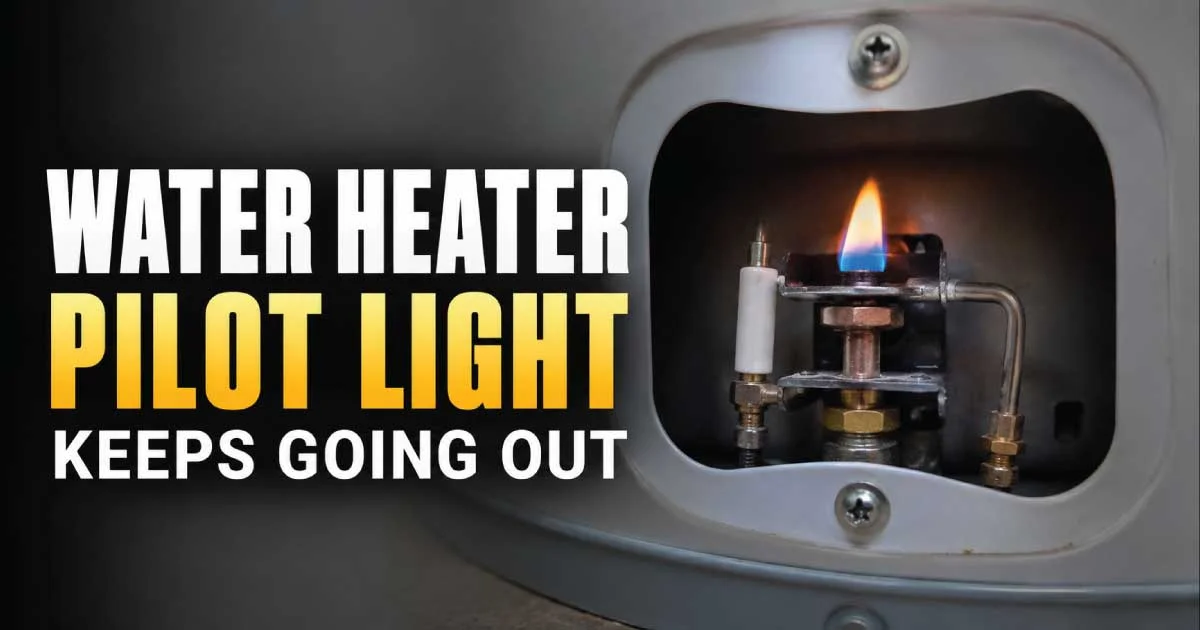
Few household problems are as frustrating as stepping into the shower only to discover there’s no hot water—again. If you have a gas water heater, one of the most common reasons for this issue is a pilot light that keeps going out. While relighting the pilot may seem like a quick fix, a pilot light that repeatedly shuts off is a sign of an underlying problem that shouldn’t be ignored.
In this guide, we’ll explain why your water heater pilot light keeps going out, how gas water heaters work, common causes, safe troubleshooting steps, and when it’s time to call a professional. Whether you’re a homeowner trying to save on repair costs or simply want to understand your system better, this article will help you make informed decisions.
Understanding How a Water Heater Pilot Light Works
A water heater pilot light plays a critical role in safely operating traditional gas water heaters. This small, steady flame ensures the burner ignites only when needed. Understanding how it functions helps homeowners recognize why interruptions can shut down the system and prevent unsafe gas flow.
A pilot light is a small, continuously burning flame found in many traditional gas water heaters. Its job is to ignite the main burner whenever the thermostat signals that the water temperature has dropped.
Here’s a simplified breakdown of how it works:
- Gas flows to the pilot light and is ignited.
- The pilot flame heats a device called a thermocouple or thermopile.
- This device generates a small electrical signal that tells the gas valve it’s safe to stay open.
- When hot water is needed, the main burner ignites using the pilot flame.
If anything interrupts this process—gas flow, airflow, or flame stability—the pilot light can go out, shutting down the entire system as a safety precaution.
Why a Pilot Light Keeps Going Out Is a Serious Issue
A pilot light that repeatedly goes out should never be ignored. While it may seem like a minor annoyance, it often signals underlying issues that can compromise safety, efficiency, and the overall reliability of your water heater if left unresolved.
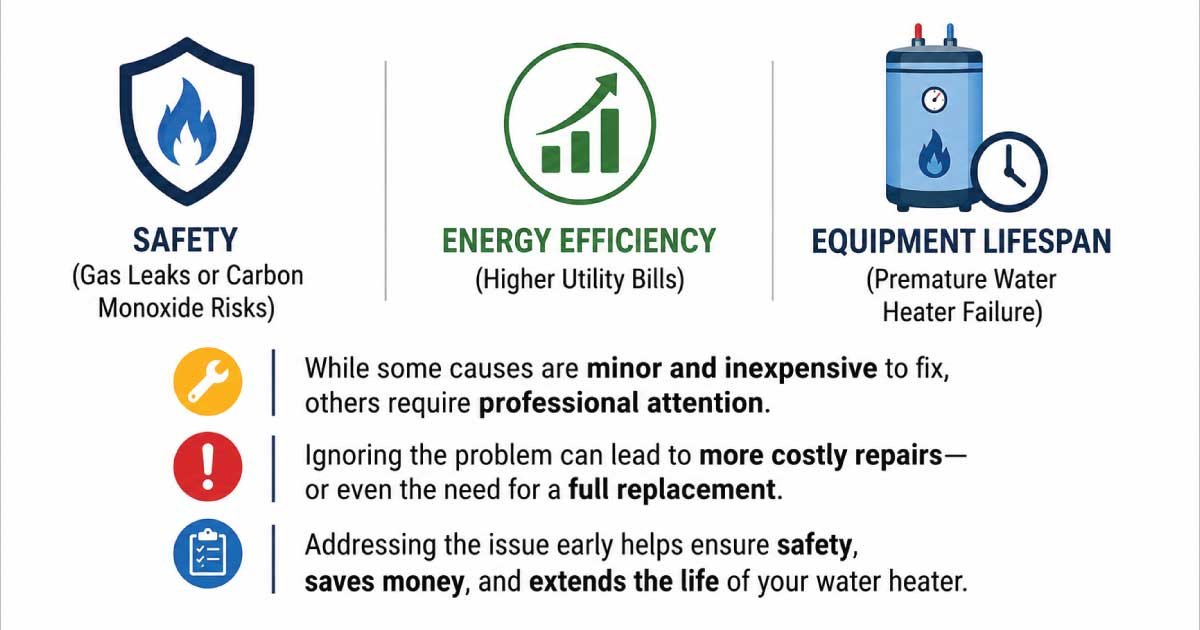
A pilot light that frequently goes out isn’t just inconvenient—it can indicate problems that affect:
- Safety (gas leaks or carbon monoxide risks)
- Energy efficiency (higher utility bills)
- Equipment lifespan (premature water heater failure)
While some causes are minor and inexpensive to fix, others require professional attention. Ignoring the problem can lead to more costly repairs—or even the need for a full replacement.
Common Reasons Your Water Heater Pilot Light Keeps Going Out
When a water heater pilot light will not stay lit, it usually points to an underlying mechanical, airflow, or age-related issue. Some problems are simple and inexpensive, while others signal serious safety or reliability concerns that should be addressed promptly to avoid system failure or hazards.
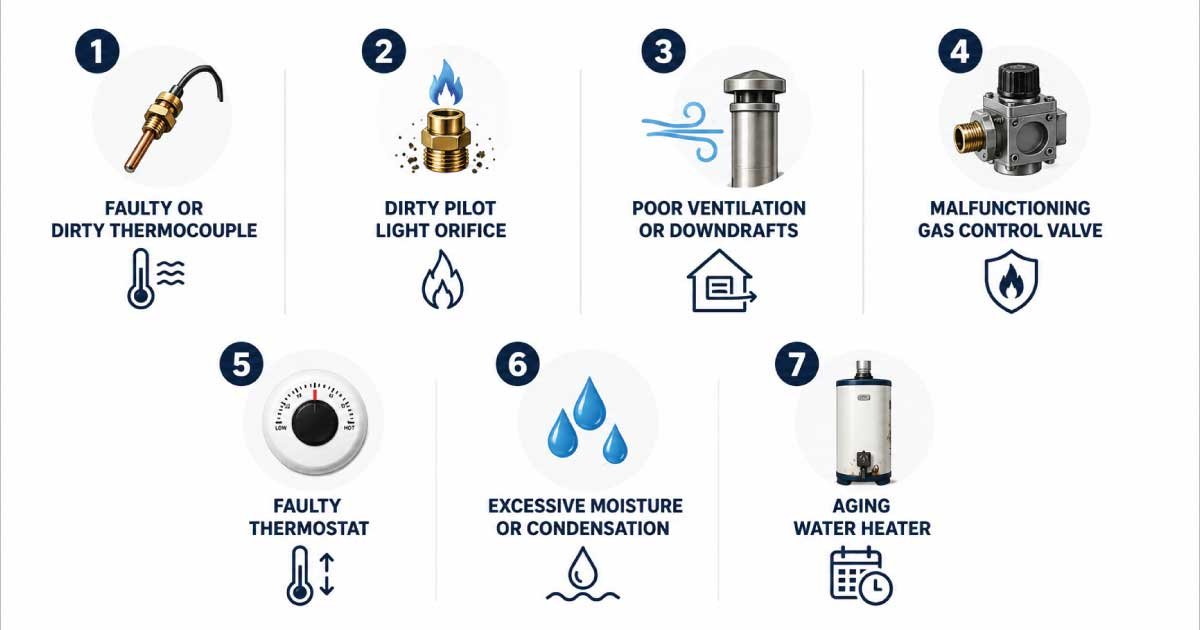
1. A Faulty or Dirty Thermocouple
The thermocouple is a key safety component that detects whether the pilot flame is burning properly. If it cannot sense enough heat, it automatically shuts off gas flow, causing the pilot light to go out repeatedly even after relighting attempts.
The thermocouple is one of the most common culprits. This small metal probe senses heat from the pilot flame and signals the gas valve to remain open.
What can go wrong:
- Dirt, soot, or corrosion prevents proper heat sensing
- The thermocouple becomes bent or misaligned
- Age-related wear causes failure
Signs:
- Pilot light goes out shortly after releasing the reset button
- You can relight it, but it won’t stay lit
In many cases, cleaning the thermocouple solves the problem. If it’s damaged or old, replacement is usually inexpensive.
2. Dirty Pilot Light Orifice
The pilot light orifice controls how gas flows to the pilot flame. When debris builds up, the flame weakens or becomes unstable, making it more likely to go out unexpectedly during normal operation.
Dust, lint, or debris can clog the pilot orifice, restricting gas flow and creating a weak or inconsistent flame.
What to look for:
- A yellow or flickering pilot flame instead of a steady blue one
- Difficulty lighting the pilot
- Pilot flame that goes out randomly
This is especially common in homes with pets, nearby laundry appliances, or dusty basements.
3. Poor Ventilation or Downdrafts
Proper airflow is essential for safe combustion. If air supply is restricted or outside air pushes back through the vent, the pilot flame may be blown out repeatedly, creating both operational and safety risks.
Gas water heaters require proper airflow to operate safely. If the surrounding area lacks sufficient air or if outside air flows back down the vent, the pilot light can be blown out.
Potential causes include:
- Blocked or damaged vent pipes
- Strong winds causing downdrafts
- Sealed utility rooms with limited airflow
- Exhaust fans creating negative air pressure
Ventilation issues are serious because they can also cause dangerous carbon monoxide buildup.
4. Malfunctioning Gas Control Valve
The gas control valve manages gas flow to critical components. When it malfunctions, gas supply may shut off unpredictably, preventing the pilot from staying lit and disrupting normal heating cycles.
The gas control valve regulates gas flow to both the pilot and the main burner. When it fails, it may intermittently shut off gas supply, extinguishing the pilot light.
Symptoms include:
- Pilot light randomly shutting off
- Difficulty adjusting water temperature
- Inconsistent hot water supply
Gas control valves are complex and expensive compared to other components, and replacement should be handled by a professional.
5. Faulty Thermostat
The thermostat determines when heating is needed. If it sends incorrect signals, it may shut down the burner and gas valve prematurely, causing the pilot light to extinguish during normal operation.
If the thermostat sends incorrect signals, it may shut down the gas valve even when conditions are safe.
You may notice:
- Water temperature fluctuates wildly
- Burner doesn’t stay on long enough
- Pilot goes out during heating cycles
Thermostat problems are less common but can occur in older units.
6. Excessive Moisture or Condensation
Moisture buildup can interfere with flame stability. When condensation drips onto the pilot assembly, it can cool or extinguish the flame, especially in humid or cold environments.
In humid environments or during cold weather, condensation can drip onto the pilot assembly and extinguish the flame.
Contributing factors:
- Cold water entering a warm tank
- Poor insulation
- Basement or crawlspace installation
While occasional condensation is normal, excessive moisture should be addressed to prevent corrosion and flame issues.
7. Aging Water Heater
As water heaters age, internal components degrade and reliability decreases. Frequent pilot light failures may simply indicate the unit is nearing the end of its useful life.
If your water heater is over 10–12 years old, recurring pilot light issues may simply be a sign that the unit is reaching the end of its lifespan.
Older systems often experience:
- Worn internal components
- Reduced efficiency
- Difficulty maintaining a stable pilot flame
In these cases, replacement may be more cost-effective than repeated repairs.
🛑 Check common water heater problems 👉 How Do You Fix Water Heater Electrical Wiring Problems?
Safe Troubleshooting Steps You Can Try
If your water heater pilot light keeps going out, there are a few basic checks you can safely perform before calling a professional. These steps are meant only for observation and light maintenance, helping you rule out simple issues without increasing the risk of gas leaks or injury.
Before attempting any fixes, always prioritize safety.
Safety First
Working around gas appliances requires extreme caution. These safety steps help reduce the risk of accidental ignition, gas buildup, or injury before you inspect or relight the pilot. Never skip these precautions, even if the issue seems minor or routine.
- Turn the gas control knob to OFF
- Wait at least 5–10 minutes before relighting
- Never work if you smell gas—leave immediately and contact your gas provider
Step-by-Step Checks
Once basic safety steps are complete and there is no gas odor, you can perform simple visual and functional checks. These actions help identify common, low-risk issues related to flame stability, airflow, or lighting technique.
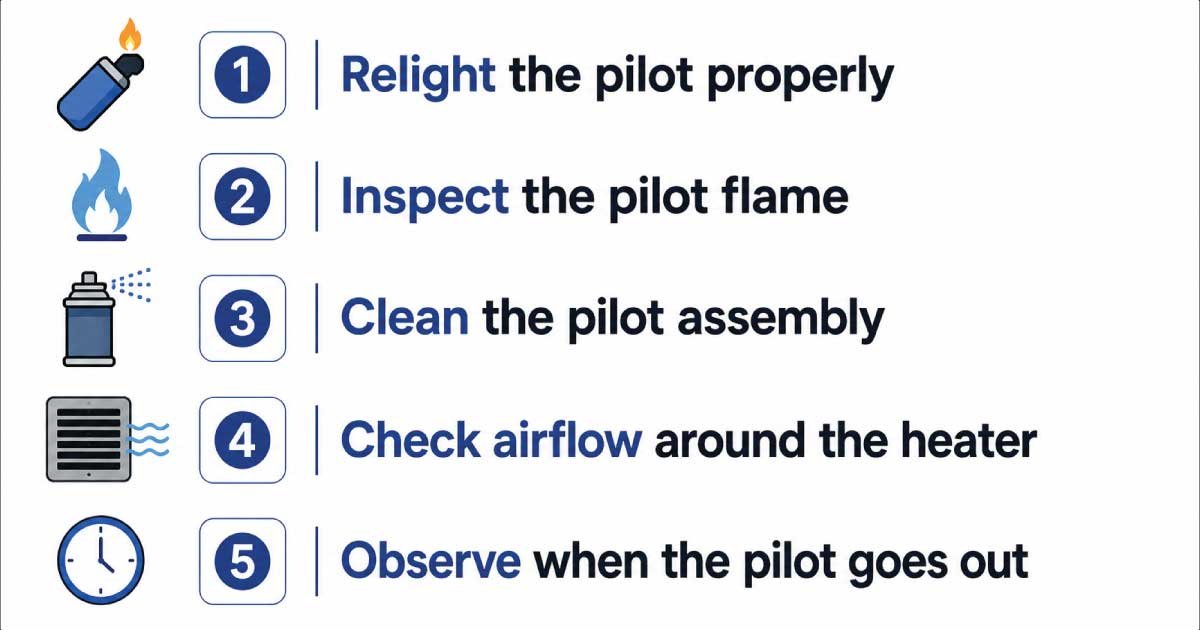
- Relight the pilot properly
Follow the manufacturer’s instructions carefully. Improper lighting technique can cause the pilot to go out again.
- Inspect the pilot flame
A healthy flame should be steady and blue, touching the thermocouple.
- Clean the pilot assembly
Use compressed air to remove dust and debris (only if you’re comfortable doing so).
- Check airflow around the heater
Remove clutter and ensure vents are clear and properly connected.
- Observe when the pilot goes out
Immediately? During heating? Randomly? Timing helps identify the cause.
If the pilot still won’t stay lit after these steps, it’s time to stop and call a professional.
When You Should Call a Professional
Some water heater problems go beyond basic troubleshooting and pose serious safety risks if handled improperly. Knowing when to stop DIY efforts and call a licensed professional helps prevent gas leaks, carbon monoxide exposure, and costly damage to your water heater system.
Call a licensed technician if:
- The pilot goes out repeatedly despite cleaning
- You suspect a gas valve or thermostat failure
- There are signs of poor venting or carbon monoxide
- The water heater is old and unreliable
- You’re uncomfortable working with gas appliances
Professional diagnosis can prevent costly mistakes and ensure your system operates safely.
Preventing Pilot Light Problems in the Future
Consistent preventive maintenance is the most effective way to avoid recurring pilot light issues. Simple routine care combined with professional inspections helps maintain flame stability, improve efficiency, and reduce the likelihood of unexpected breakdowns or safety concerns.
Best practices include:
- Annual professional inspection
- Keeping the area around the heater clean
- Ensuring proper ventilation year-round
- Flushing the tank to remove sediment
- Replacing aging components proactively
A little preventive care can extend the life of your water heater and save money over time.
Should You Repair or Replace Your Water Heater?
When pilot light problems keep happening, deciding between repair and replacement can be challenging. The right choice depends on the age, condition, and efficiency of your water heater, as well as repair frequency. Evaluating these factors helps you avoid unnecessary costs while maintaining safety and reliable hot water.
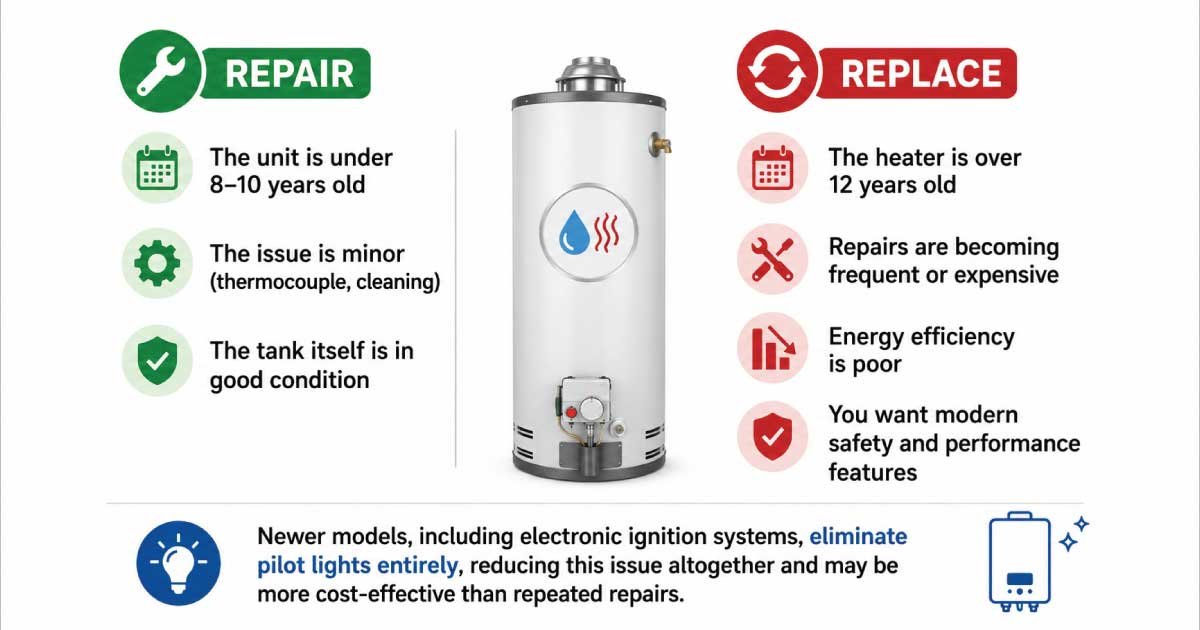
Repair makes sense when:
- The unit is under 8–10 years old
- The issue is minor (thermocouple, cleaning)
- The tank itself is in good condition
Replacement is better when:
- The heater is over 12 years old
- Repairs are becoming frequent or expensive
- Energy efficiency is poor
- You want modern safety and performance features
Newer models, including electronic ignition systems, eliminate pilot lights entirely, reducing this issue altogether.
Final Thoughts
When your water heater pilot light keeps going out, it’s more than just a nuisance it’s a warning sign. While some causes are simple and inexpensive to fix, others point to safety or reliability concerns that require professional attention.
By understanding how your water heater works, recognizing common causes, and knowing when to call for help, you can protect your home, your comfort, and your budget. Whether you choose repair, maintenance, or replacement, addressing the issue promptly ensures reliable hot water and peace of mind.
If hot water problems are becoming a regular part of your routine, it may be time to take action—before the next cold shower reminds you again.
🛑 Check common water heater problems 👉 Complete Water Heater Problems Guide (Fix All Issues)
Post Views: 40