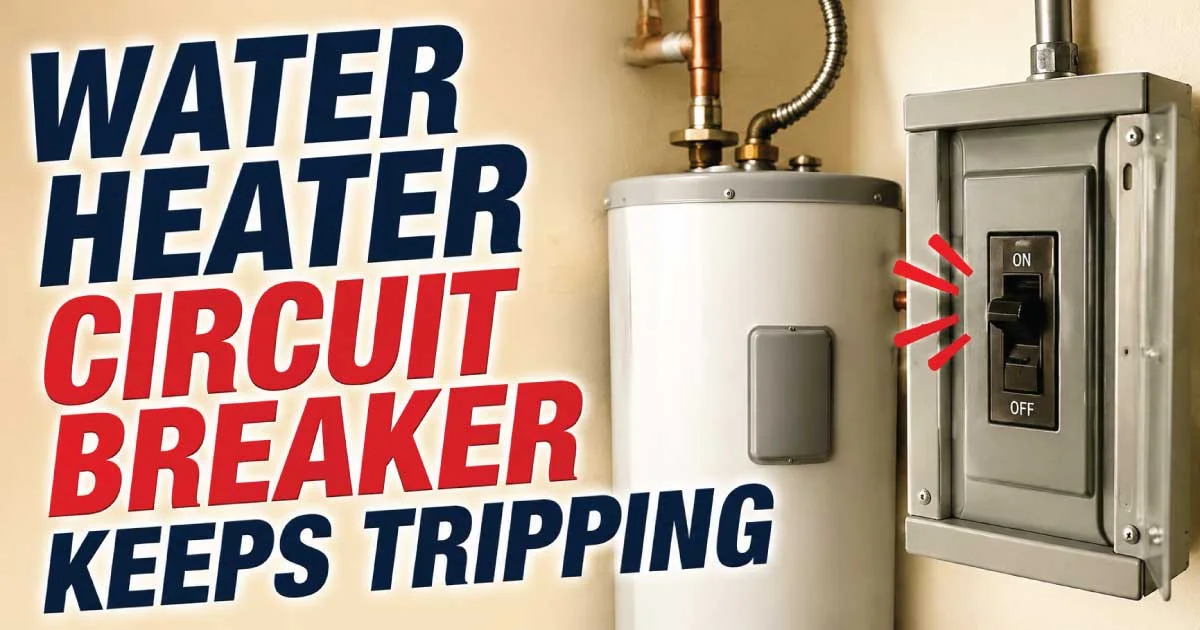
A water heater that repeatedly trips its circuit breaker can be frustrating, inconvenient, and sometimes concerning. Hot water is a daily necessity—for showers, dishwashing, laundry, and cleaning—so when the breaker keeps shutting off, it disrupts your routine and may signal an underlying electrical or mechanical issue.
In this in-depth guide, we’ll explore why a water heater circuit breaker keeps tripping, what it means for your safety, how to troubleshoot the problem, and when it’s time to call a professional. By the end, you’ll have a clear understanding of the most common causes and how to prevent the issue from happening again.
Understanding the Role of the Circuit Breaker
Before diving into the causes, it’s important to understand what the circuit breaker does and why it matters in your home’s electrical system. Knowing its purpose helps you recognize why a tripping breaker should never be ignored and how it protects both your water heater and overall household safety.
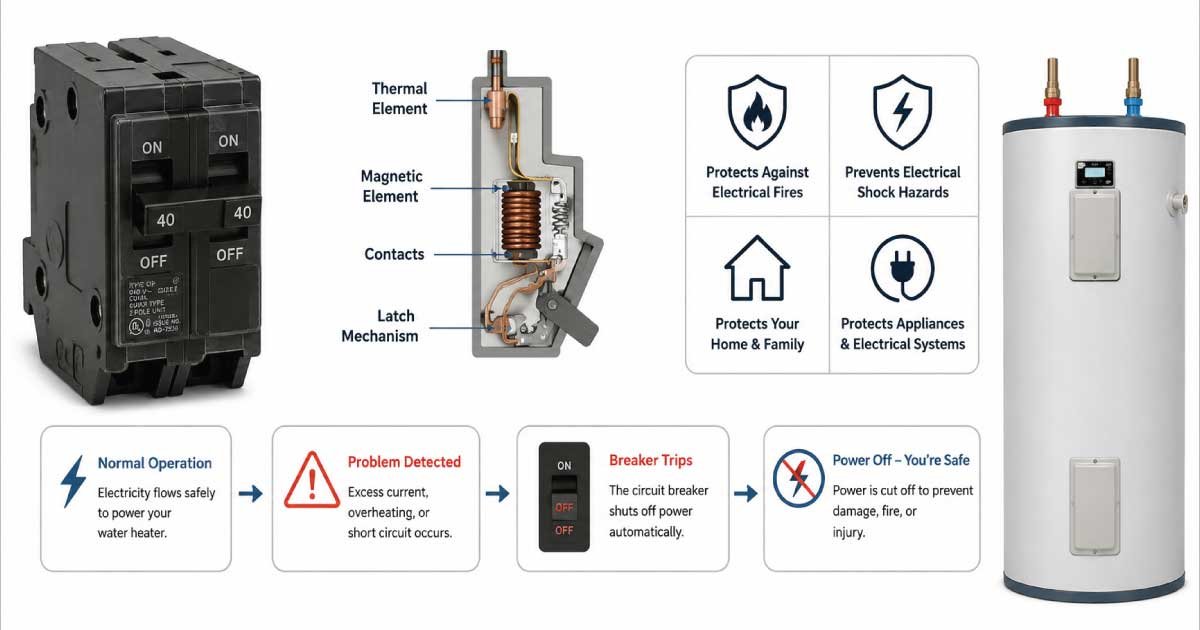
A circuit breaker is a safety device designed to shut off electrical power when it detects a problem, such as excessive current, overheating, or a short circuit. When your water heater breaker trips, it’s doing its job—protecting your home from electrical fires, damaged appliances, and shock hazards.
In other words, a tripping breaker is not the problem itself; it’s a warning sign that something is wrong with the water heater or the electrical system supplying it.
Is a Tripping Water Heater Breaker Dangerous?
A tripping water heater breaker can be more than just an inconvenience—it may signal a serious underlying issue. Understanding when a trip is harmless and when it’s hazardous can help prevent costly repairs, equipment failure, or dangerous electrical situations inside your home.
It can be.
If the breaker trips once and resets normally, it may have been a temporary overload. However, frequent or immediate tripping is a red flag. Continuing to reset the breaker without identifying the root cause can lead to:
- Overheated wiring
- Damaged heating elements
- Melted insulation
- Increased risk of electrical fire
- Permanent damage to the water heater
If the breaker trips again shortly after being reset, stop using the water heater until the issue is properly diagnosed.
Common Reasons a Water Heater Circuit Breaker Keeps Tripping
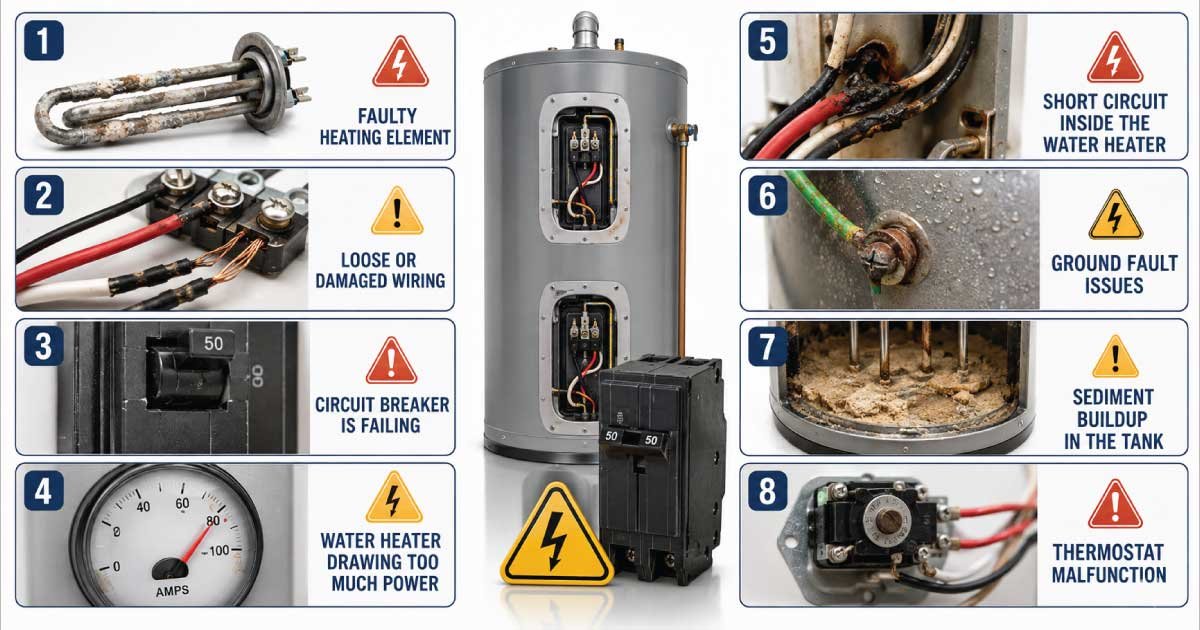
3. Circuit Breaker Is Failing
In some cases, the water heater may be functioning correctly, and the real problem lies with the circuit breaker itself. Like any mechanical device, breakers wear out over time. Repeated tripping weakens internal components, making the breaker overly sensitive and unreliable.Sometimes, the issue isn’t the water heater at all—it’s the breaker.
Circuit breakers can wear out over time, especially if they’ve tripped frequently in the past. A weakened breaker may trip at lower-than-normal current levels.
Indicators of a bad breaker:
- Breaker feels hot to the touch
- Breaker won’t stay reset
- Breaker trips even when the heater isn’t running
Replacing a faulty breaker is usually straightforward for a licensed electrician.
4. Water Heater Drawing Too Much Power
Water heaters are designed to operate within specific electrical limits. When those limits are exceeded, the breaker responds by shutting off power. Excessive power draw often points to installation mismatches or failing internal components that strain the circuit beyond its capacity.
Every water heater is designed to operate within a specific amperage range. If the unit draws more current than the circuit can handle, the breaker trips.
This can happen if:
- The water heater is oversized for the circuit
- The breaker is undersized
- Internal components are failing
- The thermostat is malfunctioning
This situation often occurs after a water heater replacement where the electrical requirements weren’t properly matched.
5. Short Circuit Inside the Water Heater
A short circuit is one of the most serious electrical problems a water heater can develop. It creates an unsafe condition where electricity bypasses its intended path, causing the breaker to trip instantly to prevent severe damage or fire hazards.
A short circuit occurs when electricity takes an unintended path, often due to damaged insulation or internal component failure.
In water heaters, short circuits may result from:
- Moisture intrusion
- Burned wiring
- Failed heating elements
- Melted insulation
Short circuits cause immediate breaker trips and should never be ignored.
6. Ground Fault Issues
Ground faults occur when electrical current escapes its intended path and travels into the ground or metal components. This condition is especially dangerous in water heaters because of the close proximity between electricity and water, increasing the risk of serious electric shock or injury.
If electricity leaks from the water heater to the ground, it can cause a breaker—or a GFCI device—to trip. Ground faults are particularly dangerous because they increase the risk of electrical shock.
Causes may include:
- Water leaking onto electrical components
- Damaged wiring
- Improper grounding
Ground fault problems require professional diagnosis and repair.
7. Sediment Buildup in the Tank
Sediment accumulation is a gradual issue that often goes unnoticed until it starts affecting performance. Minerals from hard water settle at the bottom of the tank, interfering with heat transfer and placing extra stress on the heating elements and electrical system.
Over time, minerals from hard water settle at the bottom of the tank. This sediment can bury the heating element, forcing it to work harder and longer to heat the water.
The result:
- Overheating
- Excessive current draw
- Breaker tripping
Sediment buildup also shortens the lifespan of the water heater if left unaddressed.
8. Thermostat Malfunction
The thermostat plays a critical role in regulating water temperature and electrical usage. When it malfunctions, it can allow the heating elements to run continuously, creating unsafe operating conditions that quickly lead to overheating and repeated breaker trips.
The thermostat controls when the heating elements turn on and off. If it fails or sticks in the “on” position, the water heater may continuously heat water, leading to overheating and breaker trips.
Symptoms of thermostat problems include:
- Extremely hot water
- Inconsistent water temperature
- Frequent breaker tripping
How to Troubleshoot a Tripping Water Heater Breaker
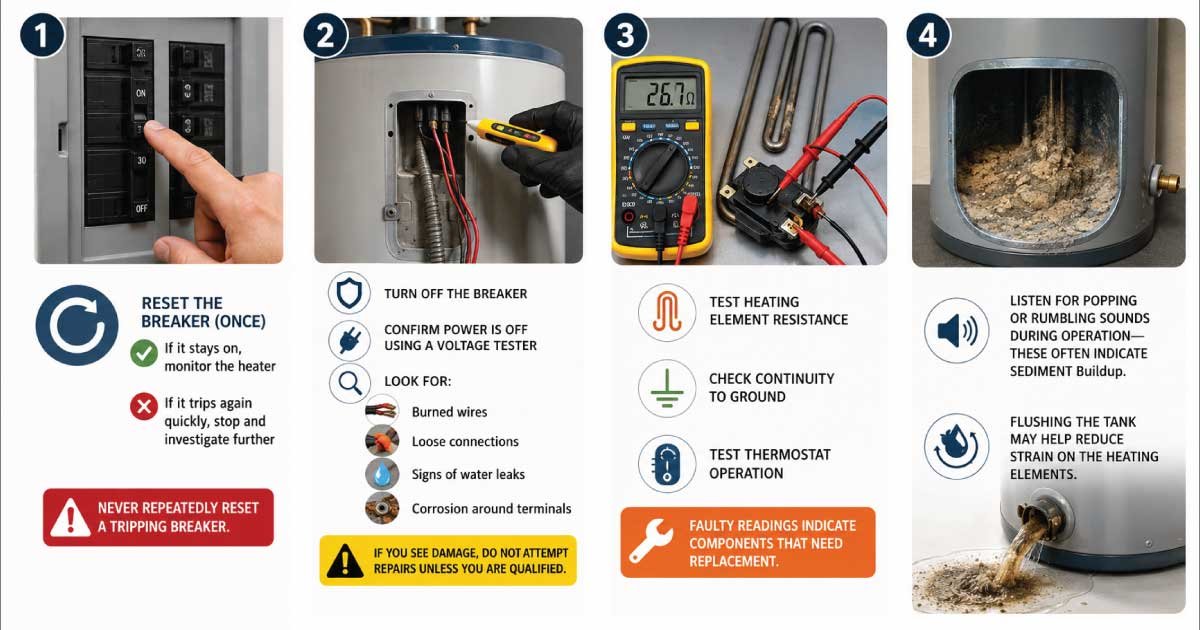
When to Call a Professional
You should contact a licensed electrician or plumber if:
- The breaker trips immediately after resetting
- There are signs of burned wiring
- You suspect a short circuit or ground fault
- You’re uncomfortable working with electricity
- The water heater is old or repeatedly failing
Electrical work involving water heaters is not a DIY task for most homeowners. Professional diagnosis ensures safety and compliance with electrical codes.
Preventing Future Breaker Trips
Preventing breaker trips starts with proactive care and routine inspections. Most water heater electrical problems develop gradually, making them easier and less costly to address when caught early. Consistent maintenance and proper electrical setup greatly reduce the risk of unexpected shutdowns and safety hazards.
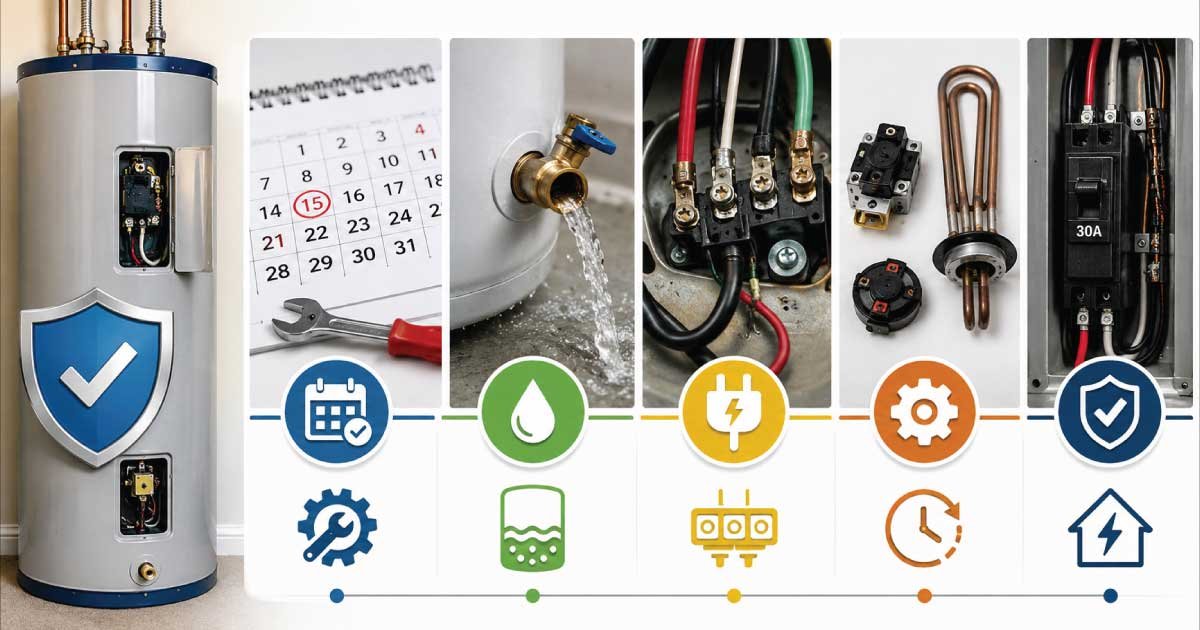
Schedule Regular Maintenance
Annual maintenance can prevent many common issues, including sediment buildup and failing components. Routine inspections help identify problems early, improve efficiency, and reduce the risk of unexpected breaker trips or costly repairs.
Flush the Tank Periodically
Flushing removes mineral deposits that strain heating elements. This simple maintenance task helps the water heater operate more efficiently, reduces overheating, and extends the overall lifespan of the unit.
Inspect Electrical Connections
Loose or corroded connections should be tightened or replaced. Properly secured wiring ensures stable electrical flow, minimizes heat buildup, and lowers the chances of breaker trips or electrical hazards.
Replace Aging Components
Heating elements, thermostats, and breakers all have limited lifespans. Replacing worn parts before failure helps maintain safe operation and prevents recurring electrical issues.
Ensure Proper Electrical Sizing
Make sure your water heater, breaker, and wiring are correctly matched. Proper sizing prevents overloads, ensures code compliance, and keeps the system running safely and reliably.
Should You Replace the Water Heater?
If your water heater is:
- Over 10–15 years old
- Frequently tripping breakers
- Producing inconsistent hot water
- Showing signs of internal corrosion
…it may be more cost-effective to replace it rather than continue repairing it. Newer models are more energy-efficient, safer, and designed to work within modern electrical standards.
Final Thoughts
When a water heater circuit breaker keeps tripping, it’s not just an annoyance—it’s an important safety signal. From faulty heating elements and loose wiring to sediment buildup and failing breakers, the causes can range from simple fixes to serious electrical hazards.
The key takeaway is this: never ignore a tripping breaker. Address the issue promptly, avoid repeated resets, and seek professional help when necessary. With proper maintenance, timely repairs, and safe electrical practices, you can restore reliable hot water and keep your home protected.
👉 Having trouble with your water heater? Our Complete Water Heater Problems Guide explains the most frequent issues, from no hot water and faulty thermostats to leaks and heating element failures. Discover easy troubleshooting steps, maintenance tips, and repair advice. Read the full guide to keep your water heater running safely and efficiently.